
Add us as your preferred source on Google to see more of our content in Search.
 Add to Preferred Sources
A decade of joint work between the European Union, the Council of Europe and partners across the Western Balkans and Türkiye has delivered more accessible justice, stronger human rights protection, better safeguards against corruption and economic crime, safer media environments and more inclusive societies, according to a press release by the Council of Europe. The achievements were presented at a regional conference held in Tirana on 7 October 2026, marking ten years of cooperation under the Horizontal Facility programme. The event took stock of results and examined the challenges ahead for the region.
The programme has helped translate European standards into practical reforms, strengthen institutions and support professionals while delivering changes to people’s everyday lives. The current phase of the Horizontal Facility for the Western Balkans and Türkiye, a joint EU–Council of Europe initiative, runs from 2023 to 2026 with a total budget of 42 million EUR. It supports public authorities and local actors in advancing reforms in human rights, rule of law and democracy, in line with European standards and the EU accession process.
The conference was opened by Christophe Galand, Deputy Director of the Western Balkans Directorate, Directorate General for enlargement and eastern neighbourhood in the European Commission. Reported results include digital justice tools and free legal advice in Albania; public-court dashboards and training for more than 4,300 police, prison and forensic staff in Bosnia and Herzegovina; electronic case-management in Kosovo; and strengthened anti-corruption frameworks and recognition of same-sex partnerships in Montenegro. In North Macedonia, mobile legal-aid teams advised around 1,200 people, while more than 10,000 learned about their rights and over 1,765 prison officers received human-rights training.
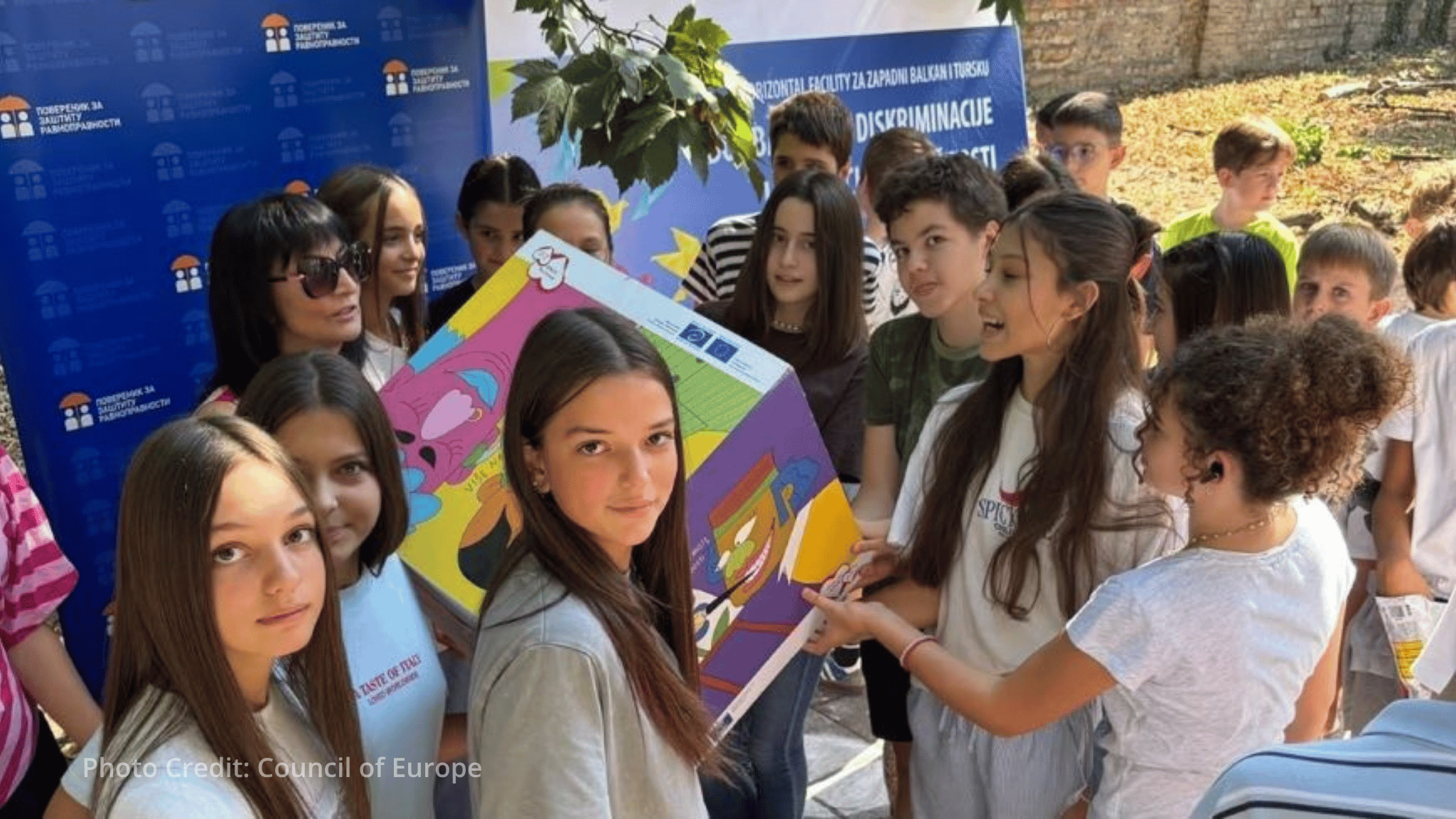
In Serbia, awareness initiatives reached more than 95,000 people, while over 113,000 students and 9,500 teachers are helping build democratic and inclusive schools. In Türkiye, more than 2,700 women gained practical knowledge of their legal rights, and a digital citizenship game gives more than 18 million students and one million teachers tools for safe online behavior.
“Sustainable reforms are built through partnership, ownership and the ability of institutions to turn standards into everyday practice,” said Claus Neukirch, Director of the Directorate of programme co-ordination at the Council of Europe.
Neukirch added that the next phase will build on this foundation and continue supporting reforms that make a tangible difference to people’s lives. The next phase of the Horizontal Facility is expected to begin in early 2027 and will address remaining reform priorities. Together, the results demonstrate the lasting impact of European cooperation in strengthening institutions, rights and public trust across the region.