
Add us as your preferred source on Google to see more of our content in Search.
 Add to Preferred Sources
The World Food Programme (WFP) warned on 14 October 2026 that escalating conflict in Yemen has cut off life-saving assistance to 800,000 people, with the city of Taiz among the hardest-hit areas, according to a press release by WFP. Shifting frontlines, blocked roads and growing insecurity are severely restricting humanitarian access, the agency said from Aden. Districts hosting large numbers of internally displaced people are now unreachable. WFP cautioned that food stocks in local markets could last only a short time if constraints persist. The agency urged safe, sustained access and immediate funding to prevent a wider catastrophe.
Taiz, Yemen’s third largest city, has hosted the largest numbers of internally displaced people since the beginning of the crisis. Many districts are now inaccessible due to ongoing fighting and imminent road closures around Yemen’s most populous governorate. Ten out of 16 districts in Taiz were previously classified at Emergency levels (IPC 4). WFP’s latest monitoring indicates that wheat flour stocks are nearly exhausted. The loss of access compounds already severe food insecurity across the region.
WFP and its partners cannot access more than 600,000 people in Taiz who depend on humanitarian assistance, including more than 200,000 women and children. Combined with communities affected by access losses on the West Coast of Yemen in early September, a total of 800,000 people are now beyond WFP’s reach. Across Yemen, more than 18 million people face acute food insecurity. Some 2.2 million children under the age of five are acutely malnourished, including 500,000 suffering from severe acute malnutrition. Recent WFP monitoring in accessible areas found that 74 percent of households were unable to meet their basic food needs.
“We are critically concerned about the escalating conflict, but even more so about the growing number of people we can no longer reach because of it,” said El-Khidir Daloum, WFP Representative and Country Director in Yemen.
He added that many affected families have been displaced multiple times and were already struggling to afford basic food items. The escalation has also severely disrupted WFP operations, with offices breached, assets and food stocks lost, and supply chain routes cut off. Seventy-two UN personnel remain detained by Houthi de facto authorities, including 37 WFP colleagues. WFP joins the UN Secretary General in calling for their immediate and unconditional release.
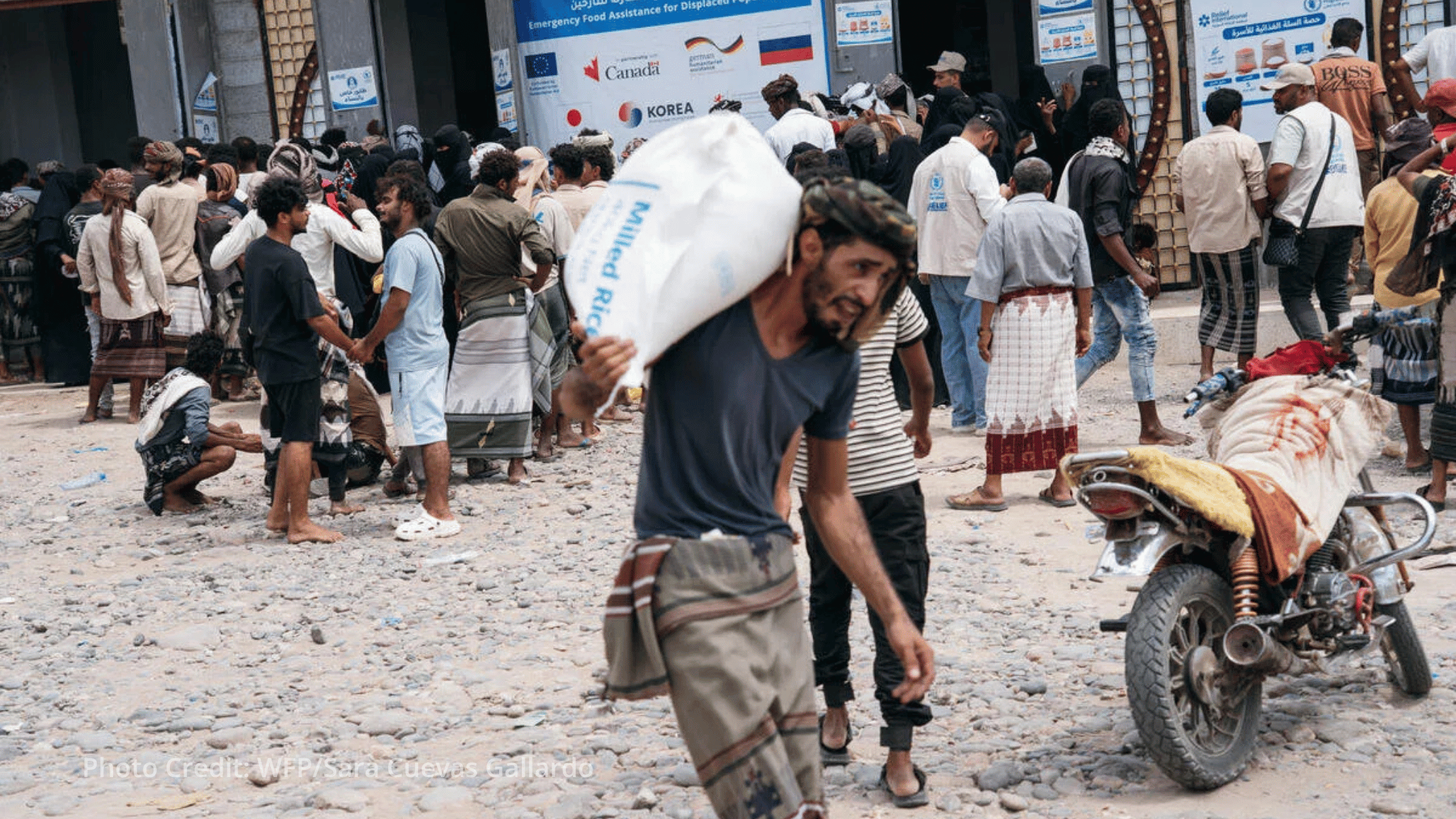
Despite the restrictions, WFP has provided emergency assistance to more than 115,000 people newly displaced by the fighting in locations it can still reach. The agency stands ready to scale up assistance to up to 1.5 million people as access allows. Without new funding, WFP will be forced to significantly reduce assistance from November. The agency requires USD 268 million to sustain emergency food assistance, nutrition programmes, school meals, resilience activities and critical humanitarian logistics services in Yemen through 2027. Safe and sustained humanitarian access, together with immediate funding, remain critical to delivering aid wherever conditions permit.