
Add us as your preferred source on Google to see more of our content in Search.
 Add to Preferred Sources
Rapid transformations driven by artificial intelligence, digital technologies, renewable energy and demographic shifts are reshaping economies worldwide while threatening to deepen socio-economic inequalities, the United Nations Department of Economic and Social Affairs (DESA) warned on 15 October 2026, according to a press release. The new report cautions that benefiting from these changes often requires specialised skills and access to the latest technologies, placing disadvantaged groups at risk of being left behind. Women, young people, older persons, persons with disabilities, migrants, Indigenous Peoples and low-income communities are identified as particularly vulnerable. The report outlines recommendations for governments to ensure these transformations benefit everyone. Its central thesis is that social inclusion is both a moral imperative and an economic necessity.
DESA found that expanding opportunities to marginalised groups enlarges the productive workforce and strengthens human capital. It also increases innovation and entrepreneurship, improves labour allocation and spreads productivity gains more widely. “Inclusive societies are more productive, resilient, and prosperous,” Secretary-General António Guterres said in a video message for the launch of the report. The report emphasises that measures towards social inclusion should be taken urgently. Those left outside key systems face steeper barriers to catching up later.
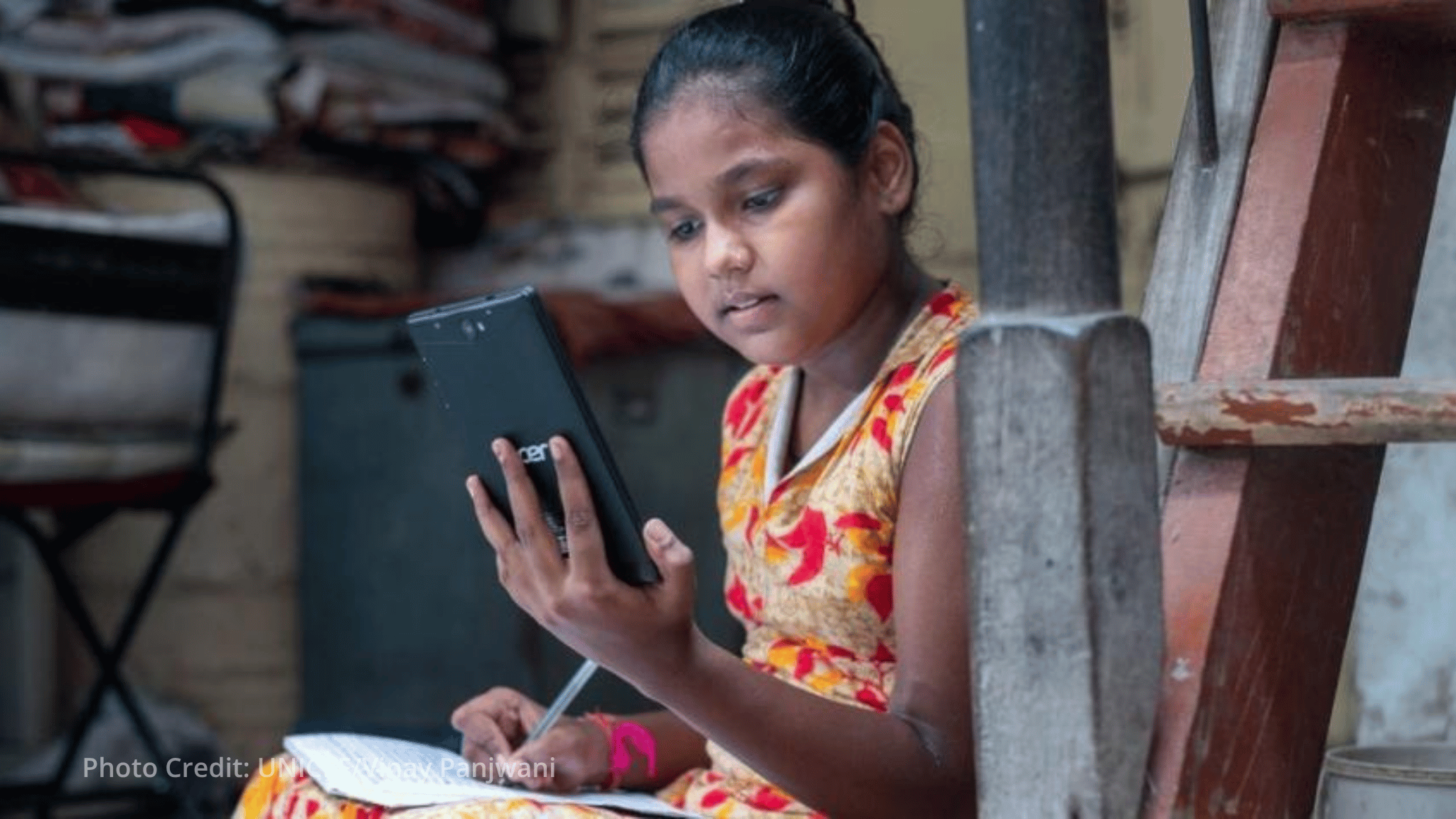
As artificial intelligence transforms labour markets, the report urges governments to invest in continuous training and reskilling for workers whose jobs may be replaced or transformed, rather than focusing solely on creating new jobs. The shift to renewable energy must include support for workers and communities reliant on fossil fuels through retraining, alternative employment opportunities and social assistance. To bridge the digital divide, governments should expand affordable access to the internet, digital infrastructure and technology training, particularly in disadvantaged communities. The report also recommends moving beyond GDP as the primary measure of growth. Progress should also be assessed through poverty reduction, access to education and healthcare, employment security, inequality and environmental protection.
Economic growth that benefits only a small share of the population cannot be considered genuinely inclusive, the report argues. However, these investments require resources, and many developing countries face financial constraints that could hamper the transition. Nearly half of the world’s poorest countries are either in or at high risk of debt distress, with interest payments relative to revenue at their highest levels in a generation, Guterres warned. He called on leaders to live up to the commitments made through last year’s Doha Political Declaration on Social Development and the Sevilla Commitment on financing for development. He also pushed for reform of international financial institutions to better represent and serve developing countries.
“Transformations are inevitable. Inequality and exclusion are not,” the UN Secretary-General said. He urged collective action to ensure the profound transformations reshaping the world help build societies rooted in justice, dignity and opportunity for all. The DESA report stresses that inclusion must guide policy responses to AI, the energy transition and demographic change. Governments are called upon to pair technological and economic transitions with targeted investments in skills, infrastructure and social protection. The findings underline that genuinely inclusive growth is both achievable and essential.