
Add us as your preferred source on Google to see more of our content in Search.
 Add to Preferred Sources
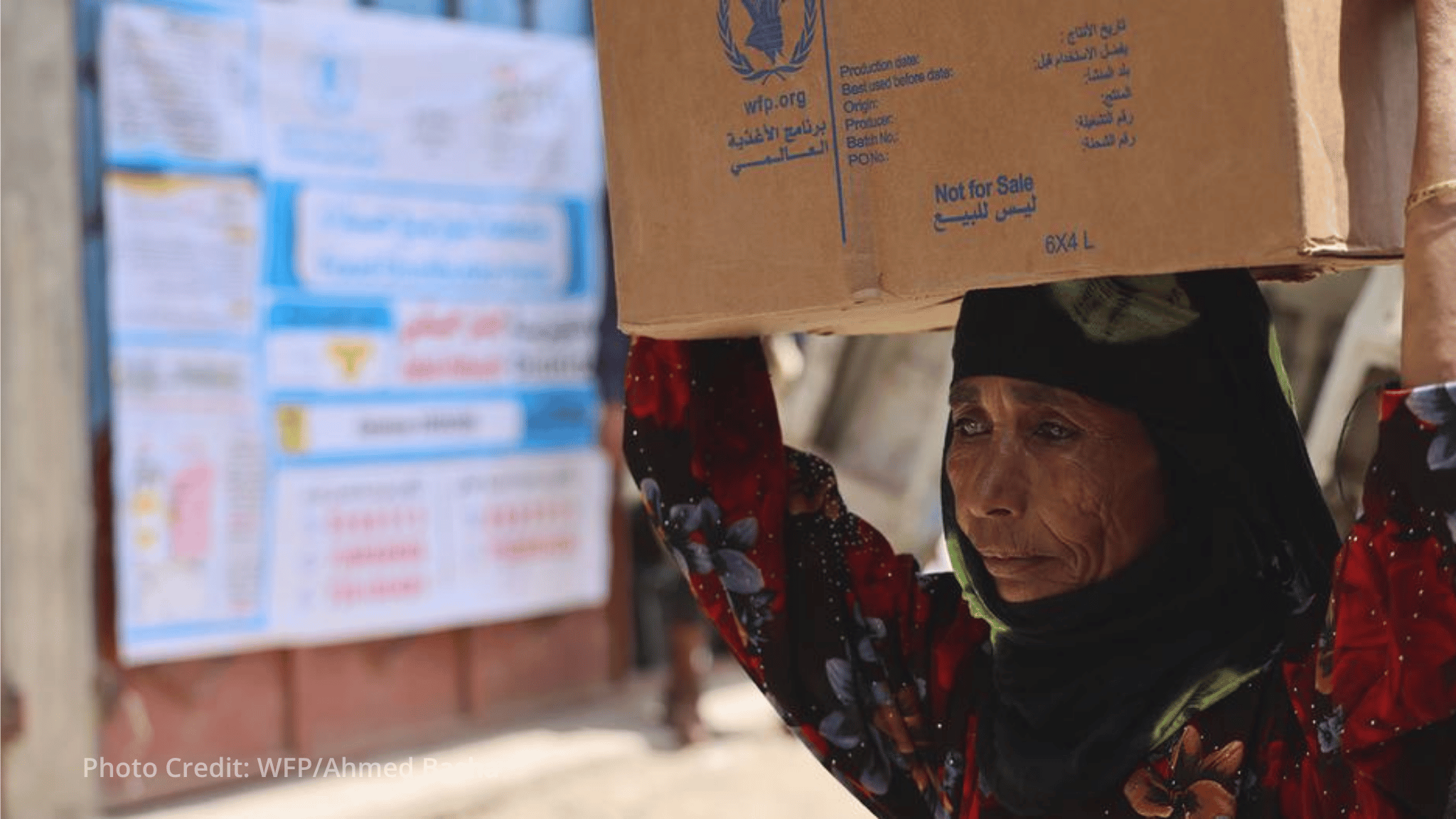
More than 250,000 people have fled renewed fighting in Yemen, with particular concern for those sheltering in the southwestern city of Taiz and the wider governorate, where access is “essentially blocked,” according to a press release by the United Nations (UN) News issued on 20 October 2026. UN human rights chief Volker Türk warned that the Houthis’ closure of the only supply route linking Taiz to Aden is placing civilians at grave risk, blocking humanitarian aid and cutting off essential supplies. Türk confirmed that 32 civilians have been killed across the governorate, including 14 children and nine women. He appealed to Houthi fighters, who have encircled Taiz City, to allow aid in immediately. He warned of a significant uptick in the risk of death and injury as fighting moves closer to densely populated areas.
The development follows the resumption last month of clashes between Houthi fighters, formally known as Ansar Allah, and the internationally recognized Government based in Aden. The renewed hostilities have ended the relative calm brought about by the 2022 truce. Around half of those recently uprooted by the violence have sought shelter in Taiz. The city therefore remains the focal point of humanitarian concern. Many displaced families have fled repeatedly during the conflict.
“Taiz is certainly the number one concern at the moment in an ocean of concerns,” said Akhil Iyer, UNICEF Representative in Yemen. He noted that displaced people are arriving in already overcrowded camps or communities with little or no food, and that clean water is almost non-existent. “They’ve literally arrived with just the clothes on their backs, and they have almost nothing left to sustain themselves,” he said.
According to the World Food Programme, wheat flour stocks in affected areas of Taiz are nearly exhausted. Iyer stressed that 10 out of 16 districts in the governorate are already classified at emergency levels of food insecurity.
Briefing journalists from Aden, Iyer described garbage piling up in Taiz city as sanitation services come to a halt. He said diesel fuel is essential to run pumping stations in and around the city, but supplies have been threatened by blocked access routes from Aden. UNICEF had pre-positioned ready-to-use therapeutic food before the conflict escalated early last month, but supplies could not be distributed because “all of the routes are closed.” The country already faces outbreaks of cholera and measles, along with suspected cases of diphtheria and dengue. Iyer called on all parties to protect children and civilians, safeguard water systems and health facilities, and uphold their obligations under international humanitarian law.
WHO spokesperson Tarik Jasarevic reported that 12 hospitals in Taiz had approximately four days of fuel remaining. Oxygen cylinders are in “daily deficit,” while 115 of 127 essential medicines have sufficient stocks for about one week or less. Matthew Saltmarsh, spokesperson for UNHCR, stressed that access problems were preventing aid teams from reaching those most in need, although protection activities continued “where access allows.” He added that some 65,000 refugees and asylum-seekers, most from Somalia and Ethiopia, are also urgently in need of support. UN agencies continue to call for immediate humanitarian access to Taiz.