
Add us as your preferred source on Google to see more of our content in Search.
 Add to Preferred Sources
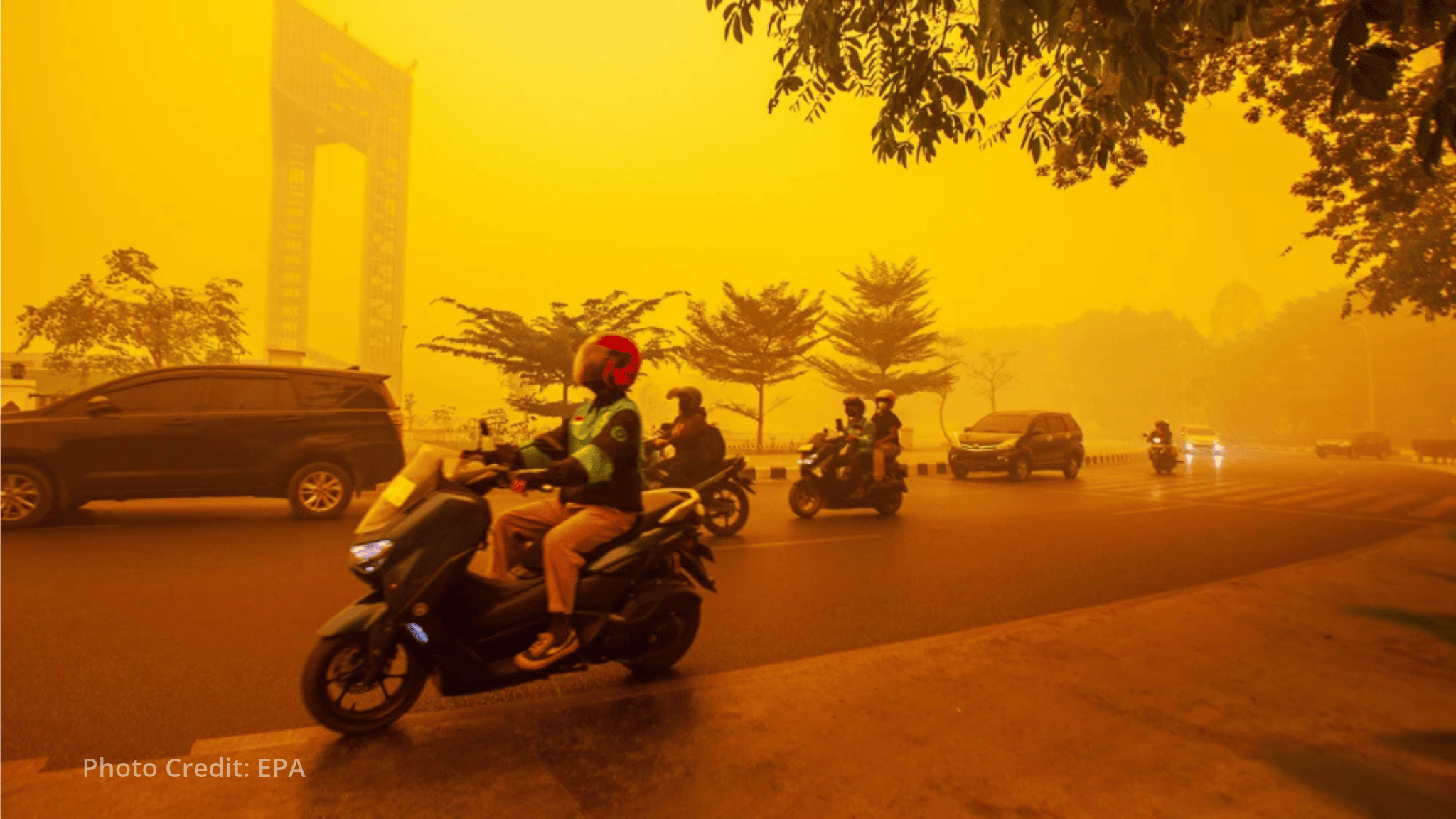
Global funding to prepare for and respond to El Niño is critically insufficient as the weather phenomenon threatens millions of people worldwide, Oxfam warned on October 22, 2026, according to a press release. The current total global funding stands at $450 million, a figure dwarfed by the $5 billion collective appeal triggered by the 2015-2016 El Niño, which affected more than 60 million people. Scientists report that the current event could be the strongest on record, with intensity likely to peak between this month and April next year.
El Niño is already producing catastrophic impacts across much of the world, including wildfires, crop failures, and growing food and water insecurity. The UN Central Emergency Response Fund has allocated up to $100 million and disbursed $20 million to six countries so far. The majority of the remaining $350 million is reliant on appeals, and less than 20 percent has been pledged. At last month’s UN General Assembly, Secretary-General Antonio Guterres and countries including Vanuatu, India, and Barbados issued strong warnings. However, these interventions have yet to translate into a dedicated UN resolution on El Niño.
Many low and middle-income countries are already in precarious positions due to debt, poverty, weak public services, and conflict. In eastern and southern Africa, 62 million people face worsening food insecurity, with Sudan, South Sudan, and Somalia at risk of famine. Water levels are declining at nearly 80 percent of water points across the Sahel. Across Latin America, 16 million more people are expected to experience food insecurity in the coming months. In Guatemala, Honduras, and El Salvador, Oxfam found that more than 70,000 farming households reported maize crop losses.
“This El Niño is impacting a climate already overheated by the outsized carbon emissions of the world’s richest polluters,” said Oxfam’s Humanitarian Director Marta Valdes García.
She added that the funding available is dwarfed by the scale of the unprecedented threat and that preparations are already late. In South Sudan, nearly 8 million people — more than half the population — face acute food insecurity, with nearly 2 million children affected by acute malnutrition, according to Oxfam Country Director Shabnam Baloch. In Southwest Asia and North Africa, more than 8 million people in Syria and Palestine have acute levels of food insecurity. Oxfam has been redesigning humanitarian programming with partners across multiple countries, including the Philippines, Timor Leste, Indonesia, Kenya, Guatemala, El Salvador, and Honduras.
Oxfam is calling on governments to immediately scale up humanitarian funding, released against credible forecasts and locally agreed plans, and to cancel unsustainable debts. The organization is also urging massive increases in investments into adaptation, resilient food systems, water security, and locally led responses.
“El Niño is a multiplier phenomenon. We know that it’s always more cost-effective to act before a crisis hits than to try to pick up the pieces afterwards,” Valdes García said.
She warned that rich donor governments cannot continue to be complacent as disaster hits country after country.