
Add us as your preferred source on Google to see more of our content in Search.
 Add to Preferred Sources
Julie Bishop, Minister for Foreign Affairs of Australia, announced on Friday that the Australian Government is providing further assistance to address the needs of people affected by humanitarian crises in Myanmar, including in Rakhine and Kachin States.
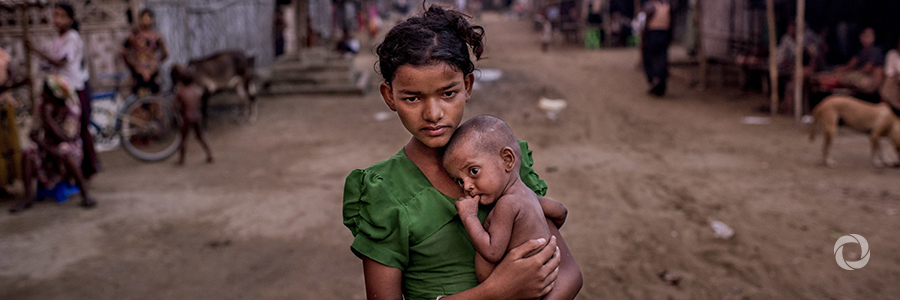
The UN estimates that over 830,000 people in Myanmar need humanitarian assistance, including approximately 500,000 Rohingya in Rakhine State. The Rohingya community continues to depend on humanitarian assistance to survive as severe restrictions obstruct their access to income and essential services.
The Australian Government is also concerned about intensified fighting in Kachin State, which has forced more than 5,000 people to flee their homes since early April. The conflict is driving serious concerns for the safety and well-being of more than 100,000 people already displaced in Kachin and Shan States.
The Australian Government calls on all parties to end the fighting, protect civilian populations, and allow humanitarian assistance to be delivered to affected communities.
Australia will provide $13 million through trusted humanitarian agencies including the UN Refugee Agency (UNHCR) and Save the Children Australia, to help meet urgent needs across Myanmar. In Rakhine State, DFAT’s support will provide access to basic health care for 50,000 people, help 18,000 children to attend school, improve shelter for 17,600 people in advance of the monsoon and cyclone season, and help to reunite separated and unaccompanied children with their families. In Kachin and Shan, our support will provide assistance and protection to families fleeing ongoing violence.
This additional funding is on top of the $15 million announced on 28 April in response to humanitarian needs in Bangladesh’s Cox’s Bazar district. It brings Australia’s total humanitarian response to the Rohingya crisis to $51.5 million since September 2017.
Original source: DFAT
Published on 4 May 2018