

Add us as your preferred source on Google to see more of our content in Search.
 Add to Preferred Sources
The Emergency Committee of the International Health Regulations removes Lao PDR from list of infected countries
Lao People’s Democratic Republic (PDR) is officially no longer infected with circulating-vaccine derived polio virus (cVDPV), according to the International Health Regulations (IHR) Emergency Committee on the international spread of poliovirus. After an outbreak of circulating vaccine derived poliovirus type 1 (cVDPV1) in 2015 and 2016, the country has now been without cases for over 12 months, with the last case reported in January 2016.
Since the outbreak, WHO, UNICEF and other partners have supported Lao PDR in their outbreak response efforts. This included support for multiple rounds of supplementary immunization activities, expanded social mobilization to raise community awareness and desire to vaccinate, and enhanced acute flaccid paralysis (AFP) surveillance activities to find the virus.
Ending the outbreak
In general, an outbreak is considered over following a period of 12 months without the detection of any new polioviruses from an AFP case, a healthy individual or an environmental sample, and with confirmed certification-standard disease surveillance.
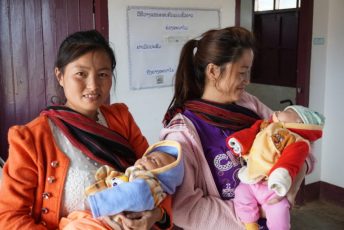
An outbreak response assessment (OBRA) team visited the country in March to confirm the virus had, in fact, been stopped. The team, made up of representatives from WHO, UNICEF, and the US Centres for Disease Control and Prevention, concluded that all evidence suggested the outbreak had been successfully stopped, with all immunity and surveillance indicators meeting rigorous international standards.
At the OBRA meeting, development partners commended the Ministry of Health on its leadership in response to the outbreak. Tremendous progress was made in micro-planning, cold chain and vaccine storage at all levels, as well as nationwide social mobilization and strengthening of AFP surveillance.
Deputy Health Minister of Lao PDR, Dr. Phouthone Muangpak, noted that the Ministry of Health and local authorities need to take ownership to further improve surveillance sensitivity in the country.
Source: POLIO global eradication initiative. Read full article here.
29 May, 2017