
The Department for International Development sparks new green revolution with £100m investment in 'super-crops'

Add us as your preferred source on Google to see more of our content in Search.
 Add to Preferred Sources
Britain is helping breed a new generation of “super-crops” not only resistant to climate change, pests and disease but also fortified with vital vitamins and minerals.
The initiative could save the lives of hundreds of thousands of children who die each year from poor nutrition in developing countries as well as supplementing diets in the west.
The Department for International Development (Dfid) has quietly invested more than £100m into breeding the new generation of super-crops which now stand poised to create what experts are calling a “second green revolution”.
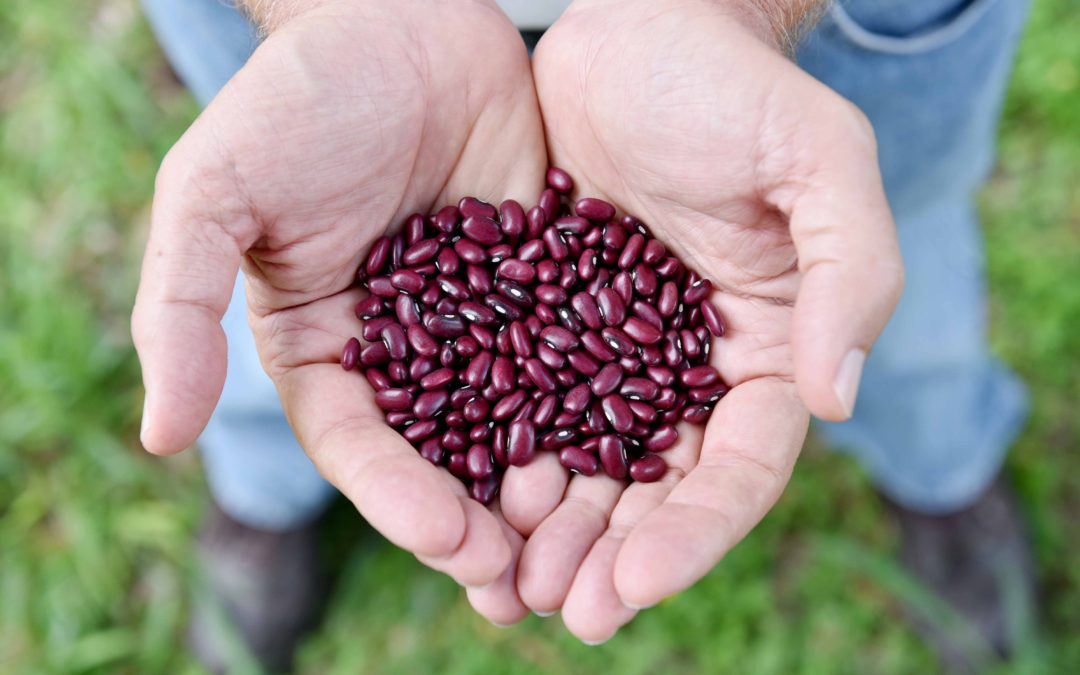
The crops include iron-rich beans that can withstand a 4 degree Celsius jump in temperature, “scuba” rice that comes back to life after two weeks underwater in flooded fields and drought-tolerant maize rich in vitamin A.
“The first green revolution reached at least one billion people and was a huge success. If we can reach our target of one billion, then potentially it is the next biggest thing,” said Howarth Bouis, a US economist whose organisation HarvestPlus has received £87.4m from Dfid to breed and distribute crop varieties fortified with Vitamin A, Iron and Zinc.
About 30 million people – around six million households – have so far benefited from the new crops, primarily in Africa, but the aim is to reach one billion by 2030. A further six million farmers in Asia are using scuba rice but the aim is 18 million by 2028.
Scientists believe that if they achieve the one billion target they will effectively halve the world’s estimated two billion suffering from what is known as “hidden hunger” or micronutrient malnutrition.
“Our centres are developing climate adaptive crops. Farmers like them not only because they are climate tolerant but also high yielding. We just need to get them into mainstream markets and piggyback on them with our vitamin strains,” said Bouis.
Dfid is now the biggest funder of HarvestPlus, whose work into fortified crops was started in 2003. Nottingham University professor Martin Broadley, a research fellow with Dfid, said the genesis of the programme came from research showing how expensive and inefficient it was to deliver supplements or fortified processed foods like bread to rural areas.
“Upfront investment in breeding iron, vitamin A and zinc dense crops is the most cost-effective way to improve nutrition compared with other approaches,” he said.
According to the World Health Organization, every $10-$15 invested in, for example, the vitamin A rich orange sweet potato produces one extra year of good quality life per individual.
Government agriculture centres and NGOs are supporting the distribution of the seeds. As it seeks to reach 1 billion, Dfid has put in an extra £4 million to get private seed producers to take up the “super-crops” and achieve the necessary increase in uptake.
Original source: The Telegraph
Published on 25 May 2018