
Add us as your preferred source on Google to see more of our content in Search.
 Add to Preferred Sources
The United Nations’ Food and Agriculture Organization (FAO) and its Global Soil Partnership launched a new programme to boost soil productivity and reduce soil degradation for greater food and nutrition security in Africa.
The Afrisoils programme aims to increase soil productivity in 47 African countries by 30 percent, and reduce soil degradation by 25 percent in the next ten years.
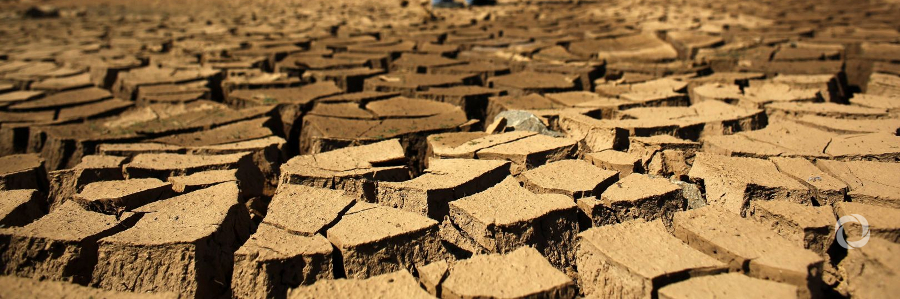
Africa is the second driest continent, with nearly half of its surface made up of desert, and 40 percent of it affected by desertification.
About 65 percent of the continent’s farmland is affected by erosion-induced losses of topsoil and soil nutrients. If soils are severely damaged or lost, they are very difficult and costly to restore and rehabilitate.
On top of this, less than half of Africa’s land is suitable for agriculture, and of this, only 16 percent is of high quality.
Faced with these challenges, despite progress in improving agriculture, Africa as a whole remains largely food insecure, directly affecting 70 percent of its population who rely on the little available land to grow food and make a living.
Out of the 815 million undernourished people globally, 243 million are from Africa.
Soil matters
“Healthy soil is the foundation of our food system – supporting healthy crops that nourish people,” said Rene Castro, FAO’s Assistant Director-General, Climate, Biodiversity, Land and Water Department. “Only with sustainable soil management can we achieve agricultural growth, ensure food security and adapt to a changing climate.”
Many African countries lack policies regulating soil as well as the capacity, knowledge, and experience to plan and implement sustainable soil management programmes.
“We need $50 million to carry out this programme at large scale and for the first ten years. We need everyone’s support for this ambitious initiative,” added Castro at the launch of Afrisoils, on the margins of The Global Soil Partnership Plenary Assembly (PA).
For healthier soils
“To render soils highly fertile and in the long term, we need to implement sustainable soil management practices that are of integral nature. We can’t rely only on mineral fertilizers – a common practice around the world – as soil fertility or soil health depends on how we boost the soil system. We need to use smart, long-term solutions that increase soil productivity while safeguarding ecosystem services, and preventing pollution and degradation,” said Ronald Vargas, FAO Land, and Water Officer.
Original source: FAO
Published on 13 June 2018