
Nuclear power beyond electricity: towards greater efficiency in energy production and water management
Add us as your preferred source on Google to see more of our content in Search.
 Add to Preferred Sources
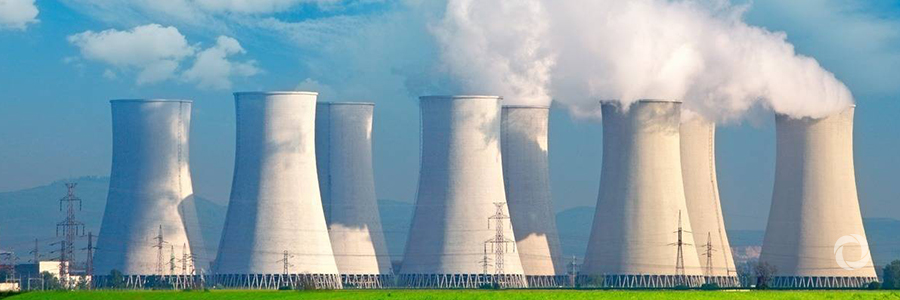
Non-electric applications powered by nuclear energy offer increased energy efficiency and represent sustainable solutions for a number of energy challenges current and future generations will have to face. There is growing interest in increasing nuclear energy efficiency by using heat and other forms of energy generated by nuclear power plants as a by-product for seawater desalination, hydrogen production, district heating and various industrial applications. At a meeting at the IAEA last week, experts reviewed the status of harnessing this energy that would otherwise go to waste and dissipate as heat.
“Cogeneration could increase the overall thermal efficiency of a nuclear power plant by more than 30% by reusing waste heat and could decrease the environmental impact of heating and transport by up to 35%,” said IAEA Senior Nuclear Engineer Ibrahim Khamis.
Nuclear power plants produce a large amount of both electricity and heat. Cogeneration merges the production of usable heat and electricity into a single process that can substantially reduce carbon emissions and energy costs. It is a more efficient use of fuel because otherwise wasted heat from electricity generation is put to productive use in district heating, desalination or hydrogen production.
“Currently, there are more than 70 nuclear power plants operating in cogeneration mode and the potential for applying this technology more widely appears promising,” Khamis said.
Water management
For more than two decades, the support for seawater desalination using nuclear energy has been repeatedly stressed at the IAEA General Conference and supported by many Member States. Nuclear desalination has been demonstrated to be a viable option to meet the growing demand for drinking water around the globe, including areas in arid and semi-arid zones that face acute water shortages, Khamis said.
Reactors in Japan, India, and Kazakhstan have gathered over 200 reactor years of experience in desalination, and have demonstrated it as a viable option.
Better water management not only means introducing nuclear desalination applications, but also more efficient practices in the use of the water supply needed to run power plants.
In support of the SDGs
“The technological advances and interest in non-electric applications not only fulfill our IAEA mandate but such activities are in line with United Nations Sustainable Development Goals (SDGs),” said Mikhail Chudakov, IAEA Deputy Director General and Head of the Department of Nuclear Energy.
Cogeneration is relevant for the following SDGs:
SDG 6: Ensuring access to water and sanitation for all
SDG 7: Ensuring access to affordable, reliable, sustainable and modern energy for all
SDG 13: Taking urgent action to combat climate change
SDG 14: Conserving and sustainably using the oceans, seas and marine resources for sustainable development
Original source: IAEA
Published on 28 June 2018