
Add us as your preferred source on Google to see more of our content in Search.
 Add to Preferred Sources
A World Bank funded programme is designed to provide refugees and residents in poor areas with better health care, schools, and infrastructure.
The dilapidated delivery room at a small health centre in northern Cameroon is without power.
“We lack everything: staff, drugs, beds,” explains Paul Korke, the supervisor at the centre in this ramshackle border village.
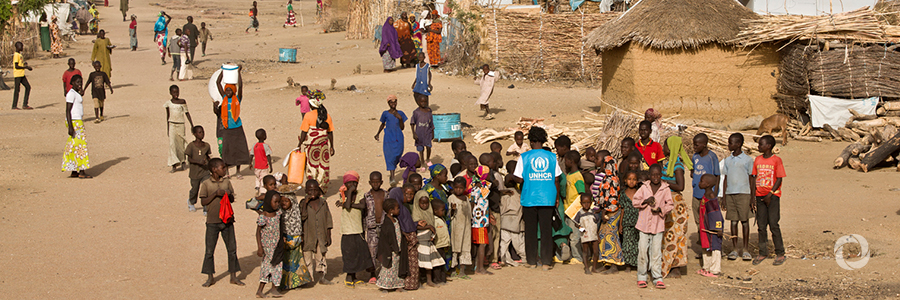
The clinic has just two state-sponsored medics to care for the 30 to 50 women and children who use the centre each day, some residents and other refugees who have fled violence in the neighboring Central African Republic.
Poverty and underdevelopment in this poor corner of Cameroon affects refugees and residents alike.
For this reason, the World Bank, supported by UNHCR, is providing targeted support for these underdeveloped regions hosting refugees to improve basic social services and infrastructure, and by extending social safety nets to the most vulnerable refugees and local residents.
The bank’s International Development Association (IDA) last month approved US$274 million in targeted funding to help the most vulnerable have access to health care, education and “social safety nets”.
The package includes a $130 million grant. The country is the first to benefit from $2 billion in dedicated funding provided by the IDA to support low-income countries hosting large numbers of refugees.
“These resources are critical to supporting the government in bringing adequate services to refugees and their host communities,” said Elisabeth Huybens, World Bank country director for Cameroon.
“Most refugees live side-by-side with Cameroonians in the regions that are already the poorest and most fragile of Cameroon, including the area subject to Boko Haram attacks.”
The funding will go to four projects, with the first disbursements due by the end of the year. It will go towards improving health centres, providing new equipment, and funding and training for staff, as well as money for schools to improve the quality and quantity of teachers, among other things, desperately needed in mixed communities such as Mbiti in the Kette municipality in which refugees represent half of the overall population.
Development funds are particularly needed in the Central African country, which has played a key role in welcoming refugees from various crises and conflicts in the volatile region in recent years which have slipped from the headlines.
The programme has yet to disburse funds to the areas most in need in the north and east of the country. At the local level, authorities have high expectations, among them Michel Nada, the mayor of Ngoura, a village a few miles from the border with CAR, which has received large numbers of refugees in the past four years.
“Many of them have settled in camps, but the majority has been welcomed into local communities” he says. “Today, the needs are enormous, especially in terms of education and health.”
“We are expecting a lot of this dedicated support which should help improve the living conditions of all our fellow citizens, refugees and Cameroonians.”
Original source: UNHCR
Published on 29 June 2018