
Add us as your preferred source on Google to see more of our content in Search.
 Add to Preferred Sources
The first-ever cooperation meeting between national dosimetry laboratories in Latin American and Caribbean countries has set the ground for better radiation protection of patients and workers in the region. The IAEA-led meeting, which took place in Recife, Brazil earlier this year, stimulated the development of national strategies and knowledge sharing among experts from 26 institutions in 20 countries.
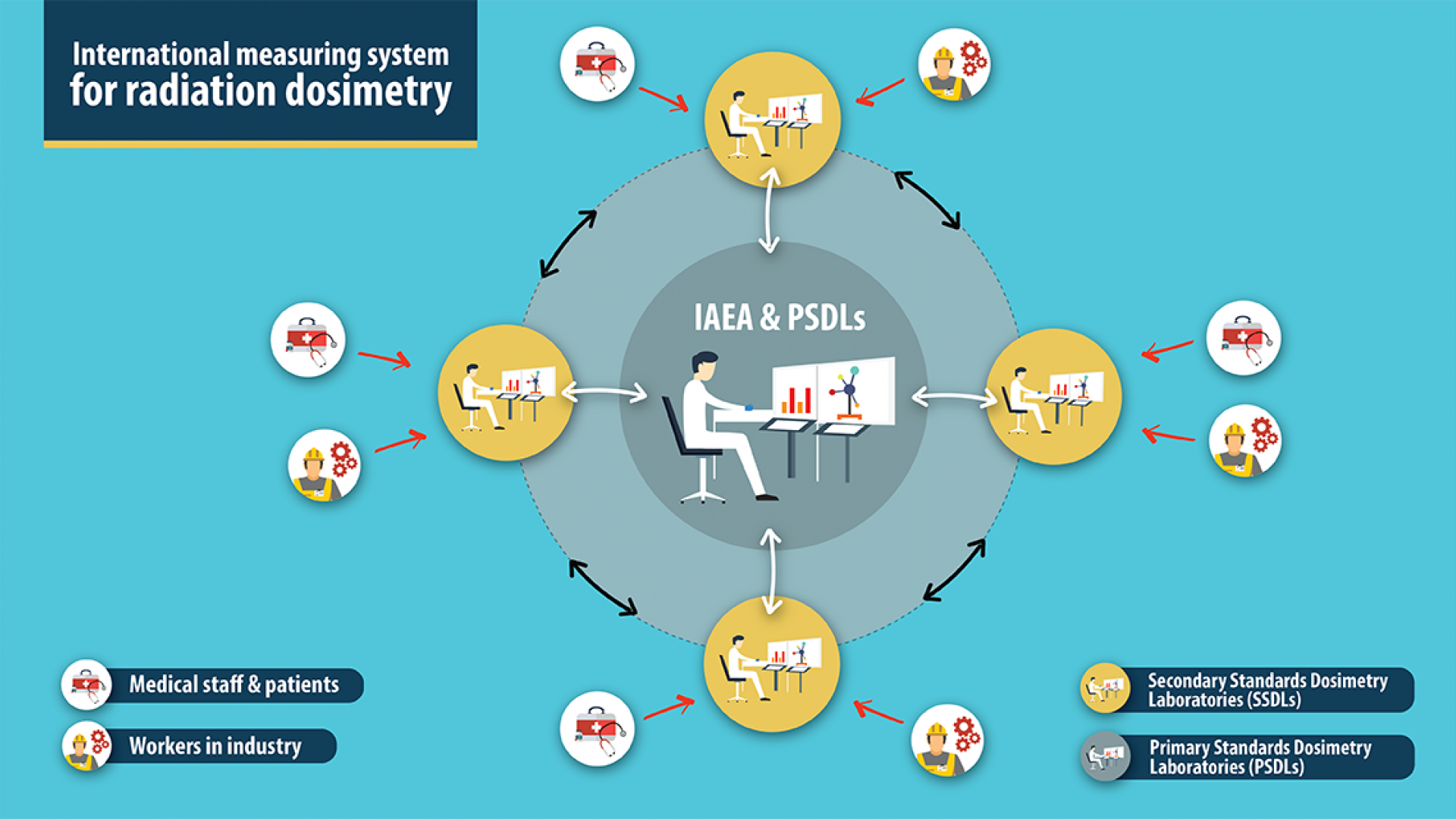
Dosimetry is the science of measuring radiation doses, which is crucial for protecting workers who use radiation in industry or medicine and patients who are exposed to it through medical imaging, nuclear medicine or radiotherapy. Too little radiation can be ineffective, while too much can be harmful.
“In Paraguay, we are seeing a rise of patients benefiting especially from the curative powers of radiation in the medical sector. Making sure that we are using the right doses is key,” said Oscar Bordón, from the National Customs Administration in Paraguay, who participated in the meeting in Recife. “But there is no metrology without calibration and comparison. We can measure the doses, but how can we guarantee that what we are measuring is correct, if we do not have anything to compare it to?”
Calibrations are provided by Secondary Standards Dosimetry Laboratories (SSDLs) in many countries. But Paraguay is an example of a country which does not have an SSDL. While currently, experts are sending dosimeters to Argentina, Brazil or Cuba for calibration, the authorities in Paraguay are planning to establish their own SSDL.
The idea behind the meeting was to assess the status of SSDLs in the region, identify gaps and needs, and strengthen cooperation among laboratories, said Nicola Schloegl, manager of this technical cooperation project at the IAEA.
Original source: IAEA
Published on 9 July 2018