
Add us as your preferred source on Google to see more of our content in Search.
 Add to Preferred Sources
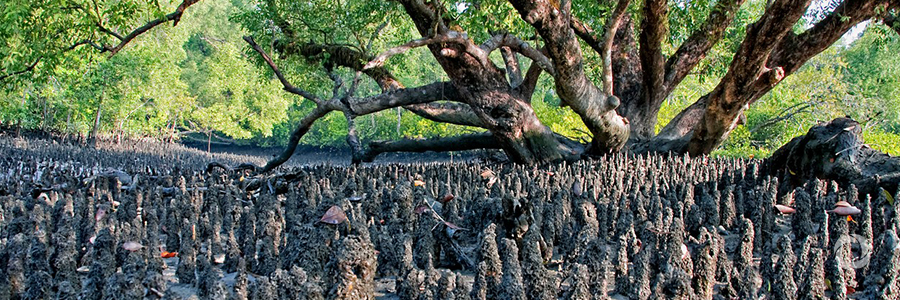
The Sundarbans forest, a which is the largest contiguous mangrove forest in the world and home to several endangered species, is being threatened by “heedless industrialization”, according to a UN rights expert, who on 30 July, called on the Government of Bangladesh to halt the process.
“The accelerating industrialisation of the Sundarbans threatens not only this unique ecosystem – which hosts Bengal tigers, Ganges river dolphins and other endangered species – but also poses serious risks to the human rights of the 6.5 million people whose lives, health, housing, food and cultural activities depend directly on a safe, healthy and sustainable Sundarbans forest,” said John Knox, Special Rapporteur on human rights and the environment.
Stretching along the Bay of Bengal, the Sundarbans is considered one of the natural wonders of the world. However, despite objections from the World Heritage Committee of the UN Educational, Scientific, and Cultural Organization (UNESCO) and the International Union for the Conservation of Nature, the Government of Bangladesh has approved more than 320 industrial projects in the area, including a massive coal-fired power plant. The process bypassed requirements for public participation and an environmental impact assessment.
Last year, the High Court of Bangladesh directed the Government not to approve any industrial development within the 10-kilometer buffer zone of the reserved forest, but according to UNESCO, approvals continue to be given.
The Human Rights Council-appointed independent human rights expert explained that mangrove forests provide “benefits for clean air and water that extend far beyond their immediate location”.
He called on the Government of Bangladesh to halt the industrialization. “Pursuing short-term economic gain in disregard of environmental costs is chasing fools’ gold. Without a healthy environment, economic gains are unsustainable,” Mr. Knox stressed.
“To have truly sustainable development, it is critical to protect the environment. And to ensure that environmental concerns are taken into account, governments must listen to the voices of those who are most affected by proposed industrial projects.”
“Too often, the people who raise questions about development projects are ignored or even treated as enemies of the state. But really, they should be treated as the champions of sustainable development,” the independent expert said.
Original source: UN News
Published on 30 July 2018