
Add us as your preferred source on Google to see more of our content in Search.
 Add to Preferred Sources
The United Nations World Food Programme (WFP) has signed its first climate risk insurance policy with the Africa Union’s African Risk Capacity (ARC). The policy is called ARC Replica, a new type of cover offered by ARC which has been providing extreme weather insurance since 2014.
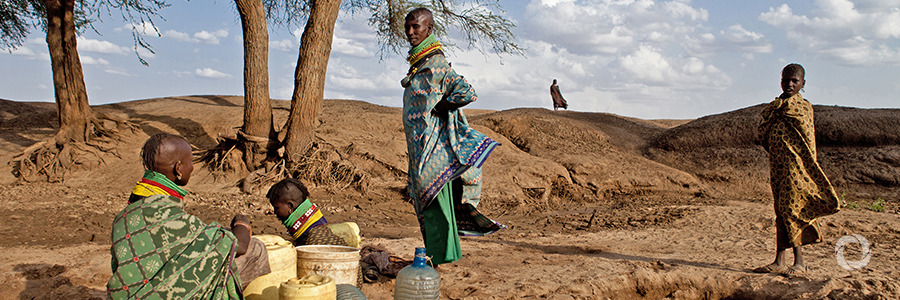
The initiative is being funded by the German Government, the first donor for ARC Replica. This unique climate risk financing mechanism, which is supported by WFP and the Start Network, was launched to complement ARC in offering reliable and predictable funding for early humanitarian response to extreme weather shocks. The first countries to benefit from WFP’s climate risk insurance coverage will be Mauritania, to be followed shortly by Mali, which are both prone to recurrent droughts.
ARC Replica is designed to allow humanitarian organisations to purchase ‘complementary’ climate risk insurance policies, with pay-outs being triggered when certain indices such as low rainfall or reduced vegetation are confirmed by satellite data. This innovation protects vulnerable households in the onset of a climatic shock, helping break the cycle of endemic poverty.
“The Replica pilot is an excellent example of how WFP and Governments can pool expertise and innovative financing to provide an early and coordinated response in the face of shocks, thereby contributing to national preparedness and response efforts,” says Jean-Noël Gentile, WFP Country Director in Mauritania. “This is absolutely critical in the Sahel, where early interventions before the peak of the lean season have the potential to reduce the human and livelihood costs of droughts.”
Germany’s Federal Ministry for Economic Cooperation and Development (BMZ) has committed EUR 10 million – channeled through the German government-owned development bank, Kreditanstalt für Wiederaufbau (KfW), to WFP and the Start Network through 2019.
Of the total amount, WFP will receive EUR 5.8 million to purchase ARC Replica insurance policies for Mali and Mauritania allowing for early humanitarian response through pay-outs if needed. In the case of a maximum payout, these policies will release US$ 15.3 million in funds that can provide early humanitarian assistance for up to 240,000 people.
To make sure that the pay-outs reach people in need quickly, WFP develops an operational plan for each covered country which identifies how resources and assistance will be moved and delivered. This means that all decision-making is done before the disaster strikes, and that WFP’s actions are coordinated with those of national emergency response agencies.
Original source: WFP
Published on 19 September 2018