
Add us as your preferred source on Google to see more of our content in Search.
 Add to Preferred Sources
Despite improvements for persons with Albinism in Kenya who have historically suffered attacks and discrimination, a United Nations expert has signaled that “much remains to be done”, especially when it comes to accessing equal treatment under the law.
At the end of her mission to the country, Ikponwosa Ero, UN Independent Expert on the enjoyment of human rights by persons with albinism, issued a statement on September 17 welcoming Kenya’s “unique achievements”, saying that the country was set to become a regional leader on the issue.
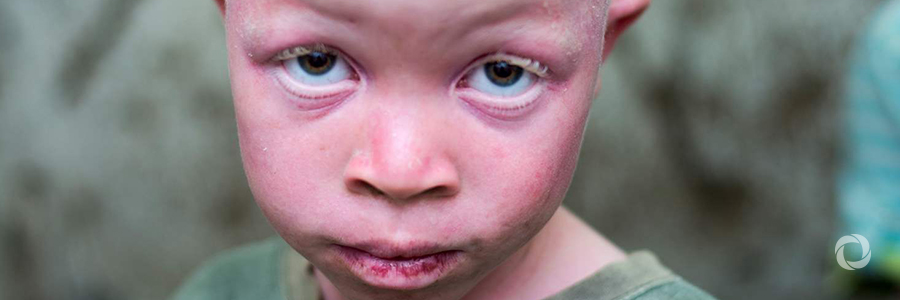
People with Albinism are born with lighter than normal skin, hair and eye colour, making them sensitive to the sun and bright light.
“Kenya’s successes include the allocation of a substantial annual budget geared toward specific measures for persons with albinism, who had historically been left behind in the key sectors of health and education and had fallen prey to ritual attacks and the consequent insecurities,” she said.
“However,” she continued, “much remains to be done including access to justice and judicial remedies for victims of the attack as well as socio-economic support for victims and their families to help restore their lives.”
She emphasized the need for a country-wide campaign to raise awareness, particularly in rural communities, to confront the falsehoods that lead to attacks “in the first place.”
“I also urge Kenya to create a brief but comprehensive national action plan, in line with the Regional Action Plan, to end violence and violations against persons with albinism as recommended by the African Commission on Human and Peoples’ Rights,” she added.
She recalled that the Sustainable Development Goals (SDGs) pledged to leave no one behind.
Original source: UN News
Published on 18 September 2018