

Add us as your preferred source on Google to see more of our content in Search.
 Add to Preferred Sources
Investing in preparedness and building the resilience of farmers is fundamental to facing situations of extreme drought.
According to a press release published by the FAO Representation in the Islamic Republic of Iran, “Saving livelihoods means saving lives – this is what building resilience is all about,” he said in a speech at the start of an International Seminar on Drought and Agriculture organized by Iran, the Netherlands, and FAO and held at the UN agency’s Rome headquarters.
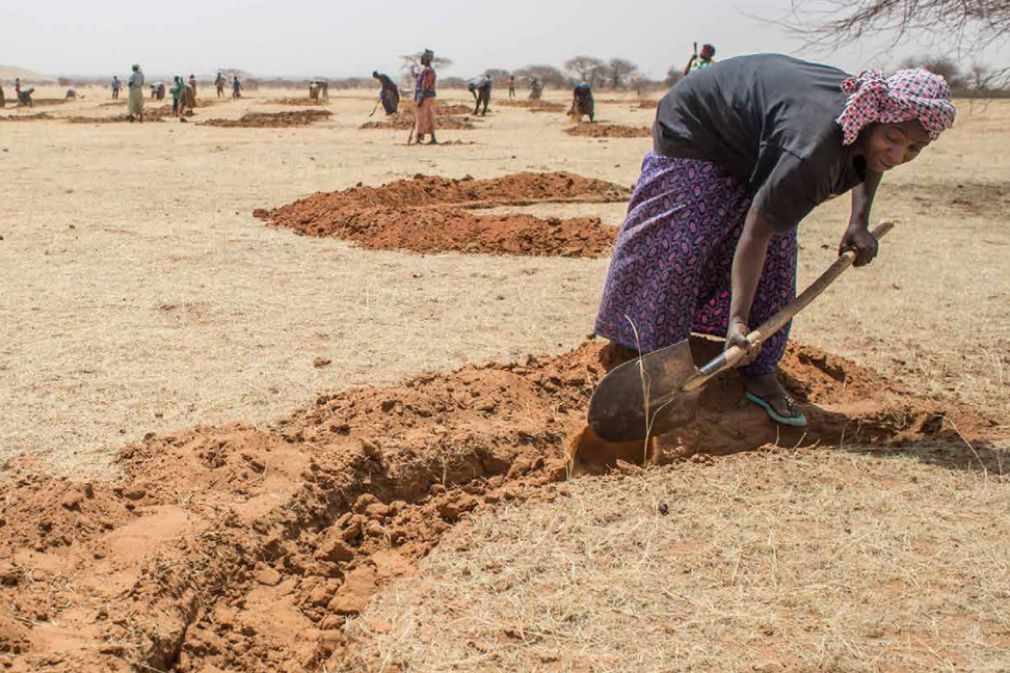
Recalling the 2011 drought in Somalia that saw over 250,000 people perish from hunger, Graziano da Silva said: “People die because they are not prepared to face the impacts of the drought – because their livelihoods are not resilient enough.”
“For years, the focus has been responding to droughts when they happen, rushing to provide emergency assistance and to keep people alive,”FAO Director-General José Graziano da Silva.
Also, he noted that while “of course, that is important,” investing in preparedness and resilience is essential. Doing so puts countries on a footing to act quickly before it is too late, means that farmers and rural communities are better positioned to cope with extreme weather when it does hit.
During today’s seminar, experts from the academic, science, humanitarian, and policymaking communities took part in a number of break-out sessions focusing on what needs to change in terms of drought management and how to make that change happen; ways to connect farmers to improved technologies to better cope; options for shifting from reactive to proactive responses, and how to slot drought management into the 2030 development agenda. A final seminar communiqué will report on outcomes and make recommendations for moving forward.
“WMO provides guidance and scientific information to strengthen national services responsible for addressing drought risks to agriculture. We encourage countries to take early action against drought and to move towards a more proactive approach,” WMO Secretary General Petteri Taalas.
At today’s event FAO and the World Meteorological Organization signed a memorandum of understanding that will see them deepen their cooperation to respond to climate variability and climate change, which, according to the agreement, “represents an urgent and potentially irreversible threat to human societies, natural ecosystems and food security.”
Source: United Nations Iran. Read full article.
26 June, 2017