
Add us as your preferred source on Google to see more of our content in Search.
 Add to Preferred Sources
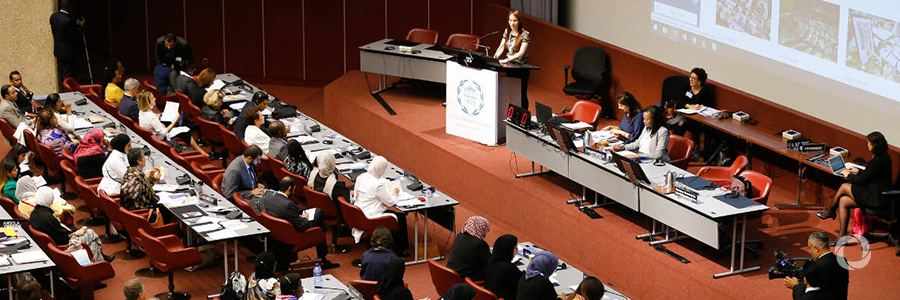
Accelerating renewables deployment through enabling frameworks and policies is at the heart of IRENA’s engagement with Parliamentarians from around the world. At the upcoming Assembly of the Inter-Parliamentary Union (IPU), an International Organisation of 178 Member Parliaments gathering from 14 – 18 October 2018 in Geneva, the International Renewable Energy Agency (IRENA) will promote the deployment of sustainable, reliable and affordable energy as a key pillar of the global 2030 Sustainable Development agenda.
The IPU Assembly is taking place only months after Parliamentarians adopted in March this year the first-ever renewables-focused resolution ‘Engaging the private sector in implementing the SDGs, especially on renewable energy’. The resolution identifies what Parliaments can do to maximize engagement around SDGs — including by ensuring an active participation by the private sector to drive innovation and smart investment.
During the IPU Assembly, IRENA will engage with legislators on topics such as the design of policy instruments, socio-economic benefits of renewables, investment challenges and technological opportunities of renewables in order to increase parliamentary support for the achievement of the SDG 7 renewable energy targets.
Dramatic cost reductions and technology improvements have made renewables technically feasible and economically attractive. By shifting the global energy system to renewables, the world economy would grow by one per cent, translating into a growth of more than USD 52 trillion by 2050. This massive transformation would generate a net gain of over 11 million additional jobs in the energy sector by 2050 globally. However, cumulative investment in the energy system will need to increase by 30 per cent till 2050 for this to happen. The private sector engagement is therefore critical.
Original source: IRENA
Published on 15 October 2018