
Add us as your preferred source on Google to see more of our content in Search.
 Add to Preferred Sources
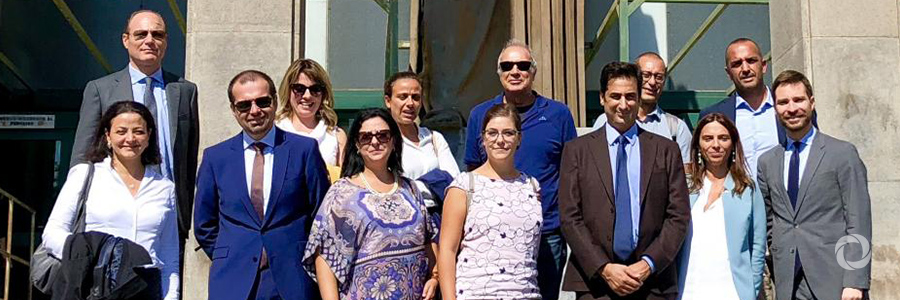
A dedicated team of first responders in Catania, Italy, shared their practices in tackling trafficking of migrants through a multi-agency approach that combines effective investigative measures with victims’ protection, at an OSCE workshop held in this Sicilian port town on 11 October.
The event was the final in a series of OSCE workshops leading to the development of guidelines for better co-ordinated and victim-centered identification of human trafficking cases among mixed migration flows.
Co-organized by the Office of the OSCE Special Representative and Co-ordinator for Combating Trafficking in Human Beings and the 2018 Italian OSCE Chairmanship, the workshop took place with the active support and participation of Prosecutor Lina Trovato, who coordinates the day-to-day operations of the local team of anti-trafficking practitioners, as well as by Heracles Moskoff, National Anti-trafficking Co-ordinator of Greece.
Participants included representatives from law enforcement, migration agencies, public social services, and civil society organizations providing assistance to victims. Particular emphasis was placed on the safeguards required to effectively counter cases of child trafficking in mixed migration flows, including legal guardianship for the protection of unaccompanied minors.
Sharing his country’s most promising practices in adopting a more comprehensive anti-trafficking strategy, Heracles Moskoff noted how critical it is for presumed victims to have access to health and welfare services regardless of their willingness to co-operate in criminal proceedings.
The OSCE will publish its guidelines for victim-centered identification of human trafficking cases, which aim to prevent potential victims of trafficking from being exploited by trafficking syndicates, later this year.
Original source: OSCE
Published on 25 October 2018