
Add us as your preferred source on Google to see more of our content in Search.
 Add to Preferred Sources
Two years after becoming the first Andean city to sign the Paris Declaration to end the AIDS epidemic in cities, Quito has dramatically scaled up HIV testing and prevention programmes. Four hundred kilometers away, the city of Guayaquil is following suit, expanding HIV prevention and community testing.
Over the past year, there has been a renewed emphasis on community testing, with concrete results. The proportion of newly diagnosed people being linked to health services has increased by a quarter in Quito and a third in Guayaquil.
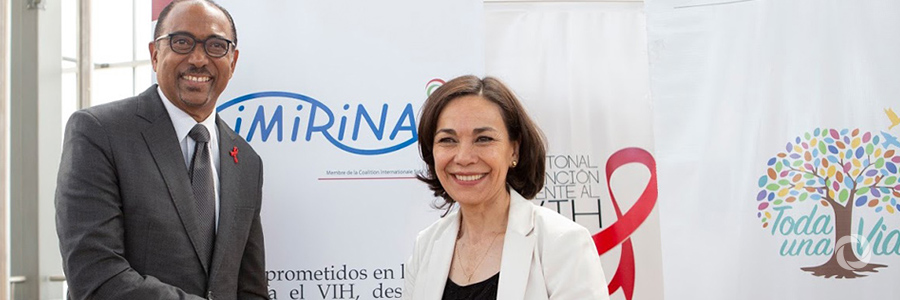
“You are not just talking about the epidemic, but also using practical approaches,” UNAIDS Executive Director Michel Sidibé said during a visit to Ecuador on 30 October. “We are seeing people being educated, accessing services and getting tested. Anything we do with the support of the community is sustainable.”
This emphasis on community involvement is a key feature of the new Ecuador Multisectoral National Strategic Plan on HIV. During the plan’s symbolic launch on 30 October, Ecuador’s Public Health Minister, Veronica Espinosa, emphasized that the missions to end AIDS and to build a better society were one and the same.
“We are working to ensure a life without prejudice and the right to health for all without discrimination,” said Ms. Espinsosa.
And the human rights-based approach to HIV services does not end with citizens of Ecuador. Ecuador has shown great leadership with regard to migrants, including guaranteeing health care for refugees and migrants living with HIV.
“You have opened your hands and heart to people coming from other places,” said Mr. Sidibé. “By giving treatment access to people who could be left behind you are demonstrating that you set a high standard, not only for yourselves but for the world.”
Original source: UNAIDS
Published on 7 November 2018