
Add us as your preferred source on Google to see more of our content in Search.
 Add to Preferred Sources
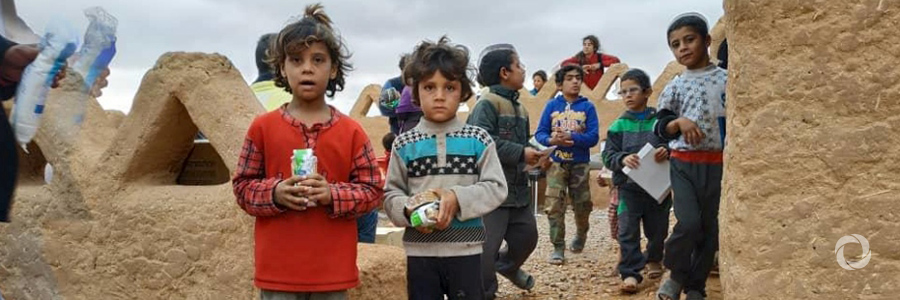
Rukban, an informal setting at the Jordan-Syria border, with humanitarian access severely restricted due to security concerns and other issues, and with no electricity, health facilities or formal education in the settlement, people living there described feeling like they had been abandoned to their fate.
Living conditions are precarious, with the site’s remote location and recent tightening of smuggling routes from inside Syria causing severe shortages of basic commodities including food. A reported increase in violent incidents has added to the protection concerns facing those living there.
On November 4th, a UN inter-agency and Syrian Arab Red Crescent convoy delivered food, health, and sanitation supplies, and other emergency items including 10,000 plastic sheets to protect people against the coming winter weather. It was the first such aid delivery from inside Syria since the settlement was established in 2015.
Previously, the UN has only been permitted to deliver aid sporadically from the Jordanian side of the border, with the last such distribution completed back in January.
UN agencies have also constructed a dedicated primary health facility just over the Jordanian border close to Rukban, but access remains an issue and the clinic is unable to provide advanced medical services to the many residents suffering from chronic illnesses and other serious conditions.
After meeting with community leaders and youth groups, UNHCR Deputy Representative to Syria Ajmal Khybari said a lasting solution to the plight of the people in Rukban must be found.
“To say that the situation here is desperate is an understatement,” Khybari said. “People here feel they are stuck and are praying that humanity prevails.”
UNHCR – the UN Refugee Agency – is calling on the international community and parties to the conflict to find an agreement to end the suffering of vulnerable civilians trapped there. All those displaced must be allowed to voluntarily return to their homes or a place of their choosing in safety and dignity. As long as these solutions remain elusive, UNHCR stresses that the provision of aid cannot be a one-time event and that unfettered access must be guaranteed.
Women and children make up the majority of those living in Rukban, many of whom are particularly vulnerable. With no formal education at the camp and only limited access to basic literacy classes, parents described their frustration at seeing their children’s futures waste away in the desert.
Many displaced Syrians struggling to survive in this makeshift site are concerned that they had not been able to document major events taking place in their lives over the last years, including marriages, divorces, the birth of their children. This increases the risk of statelessness of the already vulnerable children in Rukban.
Original source: UNHCR
Published on 6 November 2018