
IAEA signs agreement with consortium of 11 Japanese institutions to support training in nuclear medicine
Add us as your preferred source on Google to see more of our content in Search.
 Add to Preferred Sources
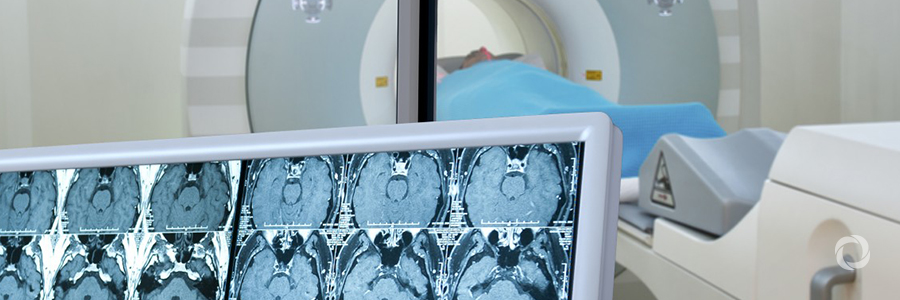
The International Atomic Energy Agency (IAEA) signed an agreement with a consortium of 11 Japanese universities and other institutions to strengthen human resources development in the field of nuclear medicine around the world. The Practical Arrangement will boost training opportunities for medical professionals in the IAEA Member States in the use of imaging techniques to diagnose and manage non-communicable diseases, with a special emphasis on degenerative brain disorders such as Alzheimer’s and Parkinson’s.
The Practical Arrangement, signed on the margins of the 28-30 November IAEA Ministerial Conference on Nuclear Science and Technology, will enable the IAEA to increase assistance to countries in clinical practice and research, along with opportunities for certified continuous professional development in the Japanese institutions. Another focus area is the development and implementation of nuclear medicine curricula and academic programmes.
“This arrangement will support IAEA projects in human health,” said IAEA Deputy Director General and Head of the IAEA Department of Technical Cooperation Dazhu Yang. “It will focus on fields where Japan can offer expertise in support of our Member States.”
Every year, over 35 million nuclear medicine examinations are performed globally, particularly to diagnose and manage cancer, cardiovascular diseases and neurodegenerative disorders.
“Japan is proactively promoting medical care projects,” Kiyoto Tsuji, Parliamentary Vice-Minister for Foreign Affairs of Japan, said in his statement at this week’s ministerial conference. “This collaboration will put nuclear science technology research and development into practical use, and bring about the positive socio-economic impact in a sustainable manner.”
The IAEA assists the Member States in nuclear medicine through the coordination of research projects and the provision of expertise, training, equipment, and internationally harmonized safety guidelines.
Original source: IAEA
Published on 30 November 2018