
Add us as your preferred source on Google to see more of our content in Search.
 Add to Preferred Sources
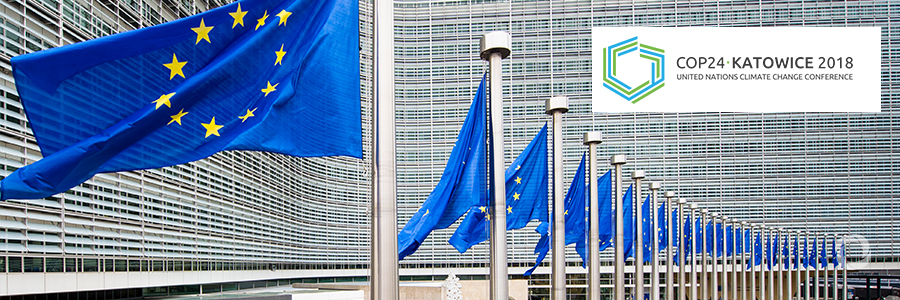
The UN climate conference (COP24) in Katowice, Poland, concluded with the adoption of a clear rulebook to make the Paris Agreement on climate change work in practice across the world. The completion of the rulebook was the EU’s top objective in these negotiations.
The Paris rulebook will enable the Parties to the Paris Agreement to implement, track and progressively enhance their contributions to tackling climate change, in order to meet the Agreement’s long-term goals.
Commissioner for Climate Action and Energy Miguel Arias Cañete said: “The Paris rulebook is fundamental for enabling and encouraging climate action at all levels worldwide – and success here also means success for multilateralism and the rules-based global order. The EU will continue to lead by turning our commitments into concrete action, leaving no one behind in the transition to a climate-neutral future; and inspiring other countries to make this necessary transition.”
EU action
The EU’s nationally determined contribution (NDC) under the Paris Agreement is to reduce greenhouse gas (GHG) emissions by at least 40% by 2030 compared to 1990, under its wider 2030 climate and energy framework.
The strategic vision, which the Commission presented to global partners at COP24, will kick-start an EU-wide debate which should allow the EU to adopt a long-term strategy and submit it to the UNFCCC by 2020. To this end, the European Council invites the Council to work on the elements outlined in the Communication.
The EU also remains committed to the collective global goal to mobilise USD 100 billion a year by 2020 and through to 2025 to finance climate action in developing countries, from a variety of public and private sources.
Key COP24 outcomes include:
- The first ever universal system for the Parties to track and report progress in climate action, which provides flexibilities to those countries that genuinely need it. This will inspire all Parties to improve their practices over time and communicate the progress made in clear and comparable terms.
- A good, consensual outcome on adaptation issues. The Parties now have guidance and a registry to communicate their actions as regards to adapting to the impacts of climate change.
- As to the global stocktake process, the next moment to review collective action, which the EU considered vital for the Paris Agreement, the result provides a solid basis for further elaboration on the details of the process. The global stocktake will invite Parties to regularly review progress and the level of ambition based on the latest available science.
- Finally, with the decisions on finance and technology, there is now a solid package that the EU trusts will provide reassurances to our partners on our commitment to continued global solidarity and support.
The 24th Conference of the Parties to the UN Framework Convention on Climate Change (UNFCCC) – ‘COP24′ – took place from 2-14 December in Katowice, Poland, presided over by the Polish government. It brought together ministers and government officials, as well as a wide range of stakeholder representatives.
Original source: European Commission
Published on 16 December 2018