
Add us as your preferred source on Google to see more of our content in Search.
 Add to Preferred Sources
As more and more people face humanitarian crises worldwide, the EU has adopted its highest ever initial annual humanitarian budget of €1.6 billion for 2019.
From long-lasting conflicts in the Middle East and Africa to the growing impact of climate change worldwide, humanitarian crises are worsening and conflict threatens aid delivery to those most in need.
“With this new budget, the EU remains a leading humanitarian donor in the face of crises such as Syria and Yemen. Humanitarian aid alone cannot solve all problems but we must do everything in our power to help the most vulnerable. This is our humanitarian duty. We must also think about the impact of these many crises on children, on the next generation. That’s why a record 10% of the new budget, 10 times more than in 2015, is dedicated to education in emergencies, so we can give children the tools to build a better future,” said Christos Stylianides, Commissioner for Humanitarian Aid and Crisis Management.
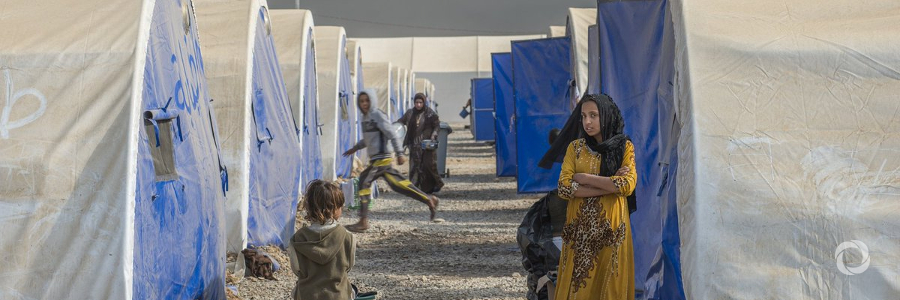
The biggest bulk of the budget will address the crisis in Syria, refugees in neighboring countries and the extremely critical situation in Yemen. In Africa, EU aid will support people in regions affected by the crisis in South Sudan, Central African Republic, Lake Chad basin, the Democratic Republic of Congo suffering from an Ebola outbreak and in regions suffering food and nutrition crises, such as the Sahel.
In Latin America, EU funding will help the most vulnerable populations affected by the crisis in Venezuela and protracted conflict in Colombia. The European Union will also continue to provide assistance in Afghanistan and help Rohingya populations in both Myanmar and Bangladesh. In Europe, the EU’s humanitarian efforts will focus on people affected by the conflict in Ukraine.
In view of the growing effects of climate change, the funding will help vulnerable communities in disaster-prone countries to prepare better for various climatic shocks, such as droughts, floods and cyclones.
Original source: European Commission
Published on 16 January 2019