
Add us as your preferred source on Google to see more of our content in Search.
 Add to Preferred Sources
According to UN statistics, approximately 40 percent of the world’s population lives within 100 kilometers of the coast, and overall the world’s coastal population is increasing faster than the total global population. At the same time, global warming is causing sea levels to rise and increasing extreme weather incidents on coastlines.
The impacts are well publicized and alarming. But what we may not realize is that the people who are the most vulnerable to climate change are often the poorest. It is essential that we act upon what we know in order to mitigate the effects of climate change and build resilience in the poorest communities. In all of our development work, we cannot regard climate change and the plight of vulnerable coastal communities as a niche issue.
A large portion of the world’s poor people live in Asia and the Pacific: 347 million people in the region live on less than US$1.90 a day, almost half of the 736 million people living in extreme poverty worldwide. Rising sea level exposes large areas of Asia and the Pacific to potential floods, coastline damage and increased salinity of agricultural lands. Climate change and environmental degradation is harming the poor rural population’s ability to produce food and income, which calls for urgent action to help people safeguard their assets and fragile resources, while also diversifying their income base.
IFAD works with people in vulnerable coastal communities across the world to build resilience and institute sustainable agricultural practices so that vulnerable people can make a living while also preserving the environment and the resources that are the foundation of their way of life.
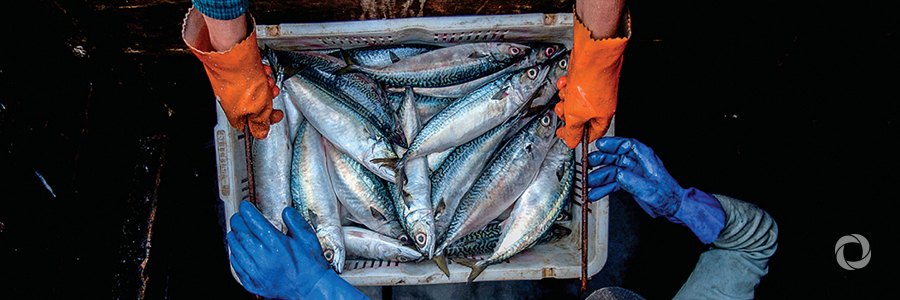
Some livelihood practices are not sustainable and can exacerbate climatic vulnerability. For example, unsustainable fishing destroys corals and depletes fish stocks, and the cutting down of mangroves for firewood results in coastal land that cannot resist flooding, cyclones and coastal erosion. Since 66 percent of the fish that is eaten worldwide is caught by small-scale fishers, it is in everybody’s best interest to help them to improve their ability to make a living while protecting the environment.
In over 180 villages in Indonesia, the IFAD-supported Coastal Community Development Project introduced aquaculture and supported initiatives to make fishing and processing techniques more efficient and sustainable. By providing rudimentary refrigeration techniques such as ice coolers, and by forming and training women’s groups to process some of the fish into fish paste and dried fish snacks, fishermen were able to fish less because they did not have to factor in the amount of fish wasted by lack of refrigeration or low market demand. These measures also had a substantial impact on food security and actually reduced acute child malnutrition in the areas by half. And through community-based coastal resource management groups, marine resources have been maintained or improved.
After 40 years of working with poor rural people around the world, IFAD has learned that no one can hope to face these challenges alone. In a rapidly changing world, we need to work together to channel support where it is most needed. Rural transformation can increase production and incomes, reduce hunger, and at the same time protect natural resources. With the right support, vulnerable coastal communities can play a part in securing a sustainable future.
Original source: IFAD
Published on 18 January 2019