
Add us as your preferred source on Google to see more of our content in Search.
 Add to Preferred Sources
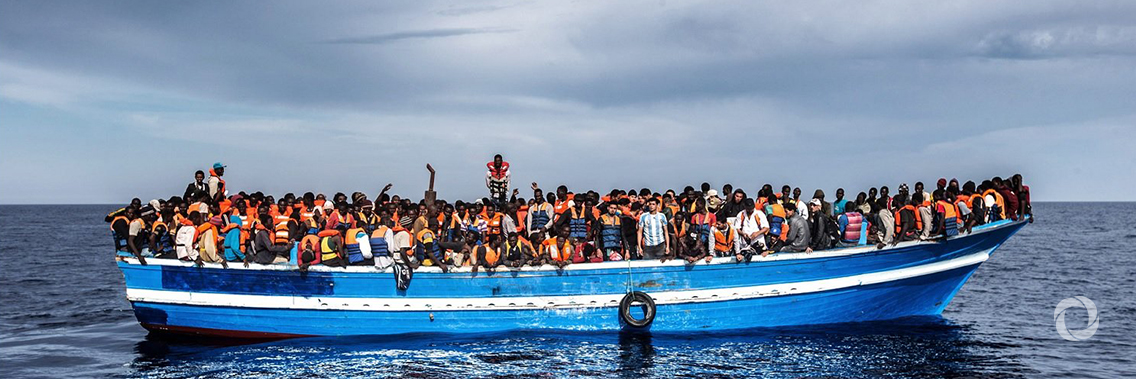
A spate of migrant shipwrecks and rescues in the Mediterranean Sea in recent days is evidence that urgent action is required from the European States to address the issue.
The warning from UN Refugee Agency (UNHCR) and the UN Migration Agency (IOM) comes after close to 170 people are believed to have drowned in separate tragedies off the Libyan and Moroccan coastlines late last week.
According to IOM, 203 people have died on the three main Mediterranean Sea routes to Europe from North Africa and Turkey in the first three weeks of 2019.
This is the fourth January in a row that more than 200 migrants and refugees have drowned trying to reach Europe on unauthorized routes, often crammed into unsuitable boats supplied by traffickers, the agency said in a statement.
Migrants shipped back and detained in Libya
In a related development, IOM reported that nearly 150 migrants had been “returned” to Libya and placed in custody after being rescued by a cargo ship.
In Geneva, UNHCR spokesperson Charlie Yaxley confirmed that migrants and refugees held in Libya suffered terribly. “Many report going hungry for days on end, not being able to receive urgent medical care that they require,” he said. “Others allege to have been tortured in some of these centres, the non-official centres, are run by traffickers and smugglers, where we have no access to those at all.”
While most migrants and refugees heading for Europe now attempt to do so by reaching Spanish shores, Italy remains a target destination, albeit on a much smaller scale than in recent years.
Migrant crisis still needs ‘European solidarity’
Citing data from the Italian authorities, IOM’s Mr. Millman said that 155 migrants have arrived by sea to Italy so far this year, meaning that January 2019 was “on track” to be the lowest month for arrivals in more than three years.
At the same time, he noted that the volunteer rescue vessel Sea-Watch 3 – which saved 47 migrants – has yet to receive permission to dock in Europe, before reiterating IOM’s call for a “safe and orderly disembarking mechanism in the central Mediterranean”.
UNHCR’s Mr. Yaxley, meanwhile, when asked which European countries were responsible for the difficulties encountered by rescue vessels, explained that what was needed was a coordinated, multilateral policy.
“I don’t think we can point the finger at any one State,” he said. “The Mediterranean States have been at forefront of receiving new arrivals crossing by sea for many years…it needs European solidarity, it needs European support.”. He said the tragic deaths represented the end of “desperate journeys where the refugees and migrants have faced quite horrific experiences and traumas along the way.”
IOM data indicates that 4,883 migrants and refugees reached Europe by sea in the first 20 days of 2019.
The number of people arriving from traditional “sender” countries such as Syria fell significantly in 2018, from 12,300 in 2017, to almost 7,700 last year, while Afghanistan nationals almost tripled in number, from around 3,500 in 2017 to more than 9,600 in 2018.
Original source: UN News
Published on 22 January 2019