
Add us as your preferred source on Google to see more of our content in Search.
 Add to Preferred Sources
Bulgaria has halted the spread of the Peste des Petits Ruminants (PPR) — a virus disease that can devastate livestock — thanks, in part, to the support of the IAEA and the Food and Agriculture Organization of the United Nations (FAO). This was the first time PPR was recorded in the European Union, so halting its spread early is of regional importance.
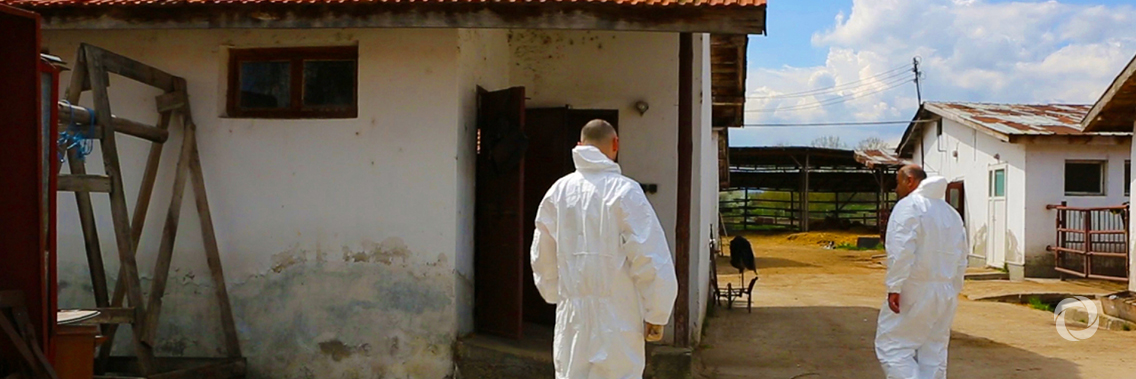
Last summer in the farms of Voden, southeastern Bulgaria, cattle breeders noticed that their animals were suffering from the disease. Soon after, authorities reported that the country was facing an outbreak of PPR. Within days, two Bulgarian scientists came to the IAEA to receive training and materials to rapidly detect and characterize the PPR virus using nuclear-derived techniques. Today, the area is under active surveillance, and no more cases have been reported since July 2018.
“Most of the European laboratories are generally neither familiar nor prepared to deal with this disease,” said Giovanni Cattoli, Head of the Animal Production and Health Laboratory at the Joint FAO/IAEA Division of Nuclear Techniques for Food and Agriculture. “It is exotic; off their radar. But, luckily, Bulgaria reacted quickly and we stepped up to support them.”
As a consequence of the emergence of the disease, animal movement restrictions and trade barriers were put in place to limit the spread of the infection and facilitate its eradication. This is standard procedure in the European Union. Six months after the last case occurred, the active surveillance implemented by the Bulgarian veterinary services indicates that the virus is no longer circulating in the country — a pre-requisite to lift the ban.
Today, Bulgarian authorities are implementing active surveillance in the area to remove any possibly infected animals from herds.
Original source: IAEA
Published on 25 January 2019