
Add us as your preferred source on Google to see more of our content in Search.
 Add to Preferred Sources
The reports are out and the message is clear: we all need to make decisions with the climate in mind. Agriculture is one of the largest greenhouse gas emitters, but it is also one of the climate’s greatest allies. The agriculture sector can play a large role in mitigation by reducing emissions and avoiding further loss of carbon stored in forests and soil. Keeping soils and forests healthy also helps fight climate change. Lastly, reducing food loss and waste and advocating for better food consumption patterns are other important efforts within agriculture’s sphere of influence.
Over three-quarters of the world’s poor live in rural areas and many of them depend on agriculture for their livelihoods. It is these rural people, particularly in developing countries, who are hit the hardest by climate change.
“Climate-Smart” Agriculture (CSA) is an approach that helps to transform and reorient agricultural systems to ensure food security and support rural development in a changing climate. This approach focuses on the farmer, fisher or herder.
Here are just five successful FAO initiatives that have utilized CSA to benefit farming communities and work toward the global goal (SDG13) of combatting climate change and its impacts.
1. “Re-greening” the Sahel for farmers in Burkina Faso and Niger
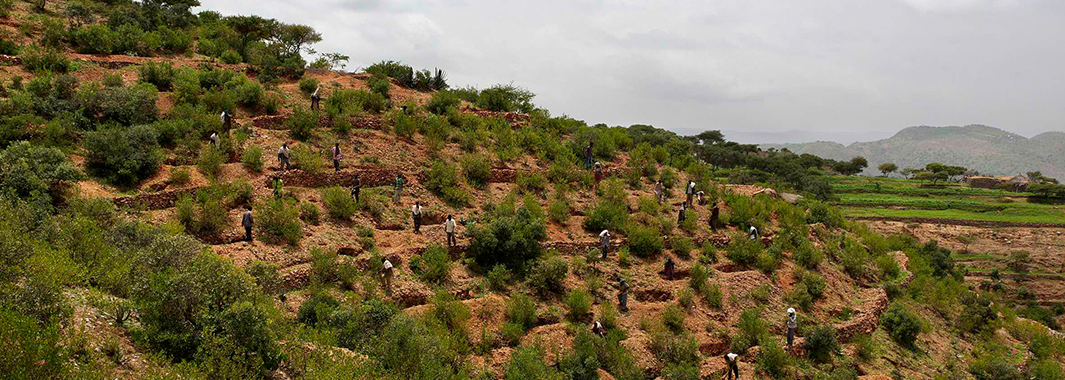
In the Sahel region of Africa, drylands and deserts make up two-thirds of the total available land. Desertification is affecting millions of the most vulnerable people. Established in 2007 and led by the African Union, the Great Green Wall Initiative for the Sahara and the Sahel has become Africa’s flagship initiative to combat the effects of climate change and desertification.
In Burkina Faso and Niger, FAO supported large-scale land restoration by combining techniques such as enrichment planting, direct sowing and fencing to encourage natural regeneration, building local capacity and promoting value chains of high-potential, non-timber forest products, helping promote the diversification of economic activities.
As a result of the programme, an estimated 12 000 hectares of degraded land were sowed and restored.
2. Floating gardens: the Climate-Smart Agriculture production system in Bangladesh
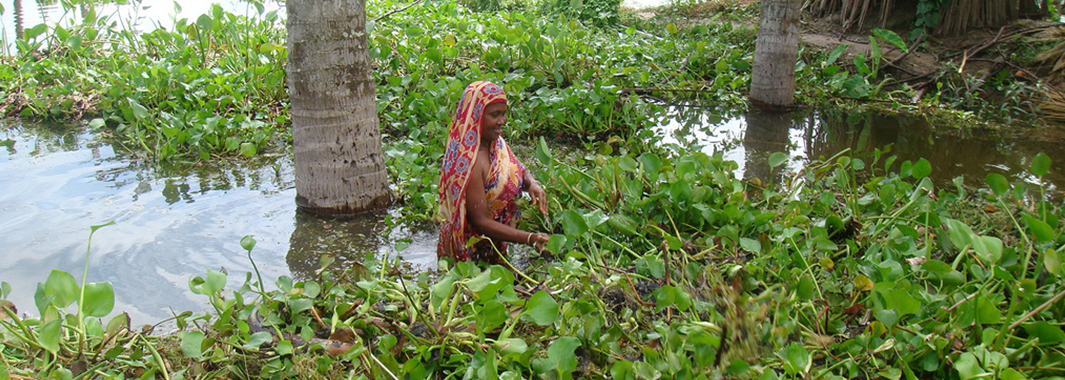
Bangladesh has been experiencing increasingly heavy rains, frequent storms and rising sea levels that have led to severe flooding. Due to continuous water-logged conditions, crops are often lost and land for agriculture has become scarce.
Based on the local knowledge, farmers have converted the prolonged flooding season into an opportunity for “floating gardens”. These floating plots are made from local organic material on which different vegetables are grown.
Floating gardens are environmentally-friendly while contributing to food security and nutrition. The organic production of vegetables is important for local, urban and export markets.
3. Indigenous pig breeds for climate-smart landscapes in the western Balkans
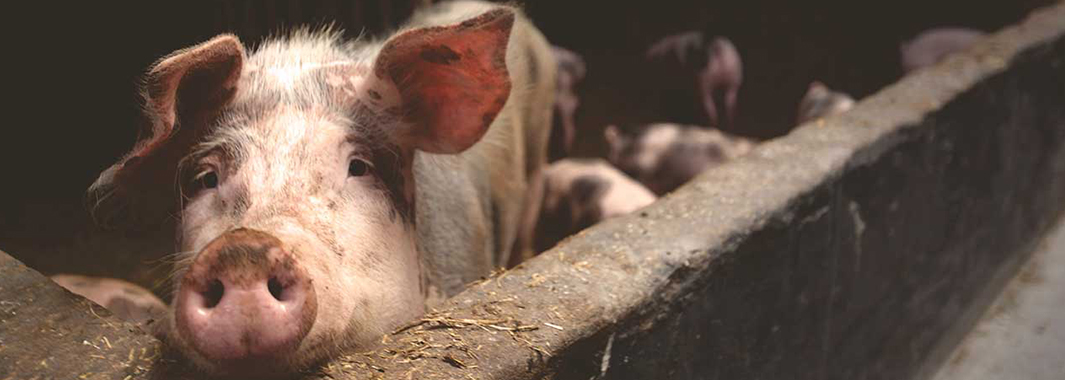
In Albania, Bosnia and Herzegovina, the former Yugoslav Republic of Macedonia and other western Balkan countries, pig production is important for livelihoods, diets and culture. Indigenous pig production is attracting more consumer interest, as local pig breeds often require less intensive systems and offer higher-quality products.
Native breeds, however, can often be raised on agricultural lands that are unsuitable for other production systems and can play a significant role in conservation activities that follow a climate-smart landscape approach. For example, the grazing behavior of the pigs keeps the ground “open” and helps to conserve biodiversity.
4. Climate-smart mussel farming in Chile
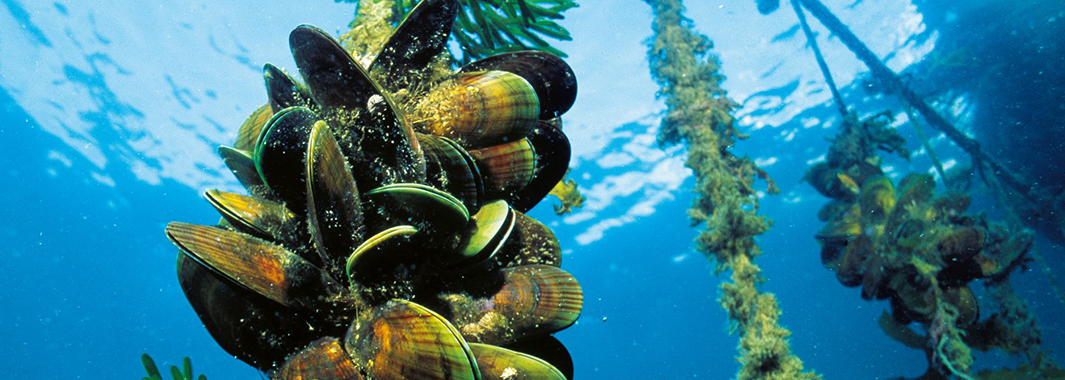
Chile has developed a climate-smart way of farming mussels that produces little to no greenhouse gas emissions. The farming is done using a “mother line”, which is usually about 100 metres long and is tied to the bottom of floats. Many other vertical lines can hang off of the mother line. The majority of mussel farming is carried out in floating or underwater holding systems that encourage the mussels’ permanent filtration of phytoplankton from the water.
For countries such as Chile and New Zealand, where the mussel production industry is vital to the incomes and livelihoods of mussel farmers, this system provides adaptation and resilience to El Niño, red tides and other climatic concerns.
5. A water scarcity initiative in the Near East and North Africa region
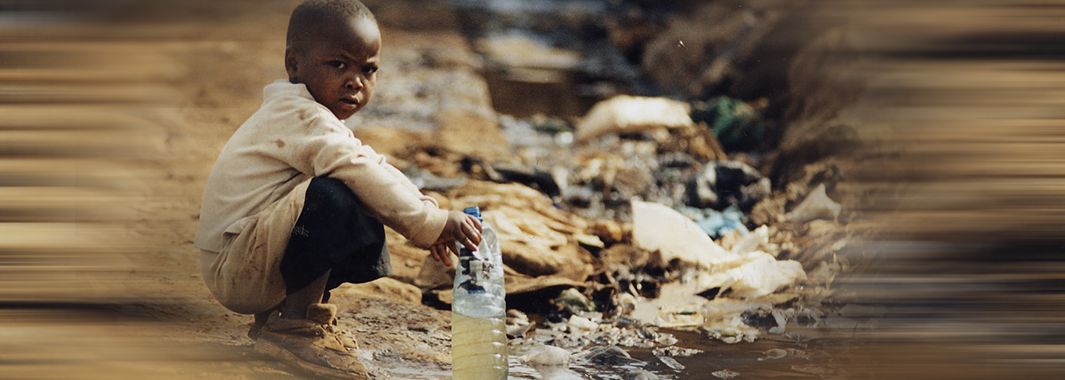
The Near East and North Africa (NENA) region regularly experiences severe shortages of water: 90 percent of the region consists of arid, semi-arid and dry sub-humid areas, and 45 percent of the total agricultural area is exposed to salinity, soil nutrient depletion and wind–water erosion. The per capita freshwater availability has decreased by 23 percent over the last 40 years and is projected to decrease by another 50 percent by 2050.
To address these challenges, FAO launched the Regional Initiative on Water Scarcity in the NENA region to assist countries in identifying and streamlining policies, governance reforms, economic, institutional and technical options and innovations that can sustainably improve agricultural productivity and food security in the region. The initiative has helped to strengthen collaboration among countries and with international partners for a common approach to the challenges posed by water scarcity.
The outcomes of these climate-smart projects have created a better understanding of the potential accelerators and barriers for the adoption of this type of agriculture. Climate change poses specific challenges to sustainable food and agriculture; the CSA approach can help farmers overcome these hurdles to maintain their livelihoods and help ensure a #ZeroHunger future.
Original source: FAO
Published on 29 January 2019