
More information and investment in food safety needed to tackle high human cost of foodborne illness
Add us as your preferred source on Google to see more of our content in Search.
 Add to Preferred Sources
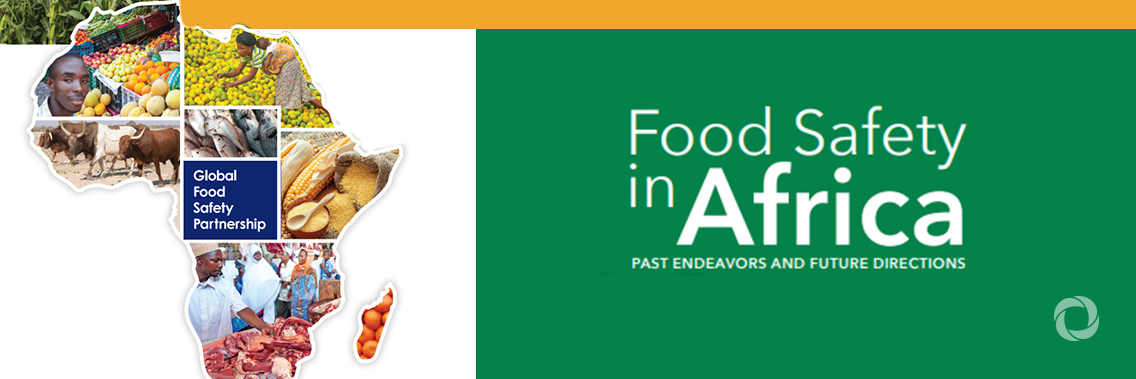
More than half of donor-funded food safety initiatives in sub-Saharan Africa are focused on overseas markets, with less than half on domestic consumers, a new report from the Global Food Safety Partnership has found.
An analysis of more than 500 projects and activities in sub-Saharan Africa since 2010 found that most of them focused on food safety for exports. While exports are crucial for economies, the African continent suffers the world’s worst levels of food safety, causing human capital losses of an estimated $16.7 billion a year in Africa.
The Partnership called for more investment into public health programmes after finding that less than 5% of donor investments addressed the specific health risks, such as Salmonella and E.coli that local consumers face when purchasing from informal food markets.
The report launched ahead of the first International Food Safety Conference in Addis Ababa, Ethiopia, highlighted the need for targeted investment to promote food safety at a domestic level across Africa, where foodborne illnesses claim an estimated 137,000 lives a year, according to figures from the WHO. Globally, foodborne disease levies a public health burden similar to malaria, HIV/AIDS and tuberculosis.
Food safety is key to the success of Africa’s agriculture-led development strategies, with most smallholders growing crops and livestock for household consumption and also to sell to local markets to generate income.
“The abundance of a variety of safe and nutritious food is the foundation for good health and cognitive development of Africa’s people… The African Development Bank is committed to supporting key activities that will translate the Global Food Safety Report into reality and secure our food systems”, commented Martin Fregene, the African Development Bank’s Director of Agriculture and Agro-Industry.
The report recommends investment in public health-focused programmes that raise awareness and encourage consumer demand for higher food safety standards. This includes efforts to better inform the public about food safety issues so that demand for safe food drives market incentives for higher standards.
The three recommendations are: 1. Better addressing the health of domestic consumers dependent on informal markets; 2. Building capacity for well-governed, evidence- and risk-based food safety systems; 3. Harnessing today’s marketplace drivers of progress on food safety.
Original source: AfDB
Published on 06 February 2019