
Add us as your preferred source on Google to see more of our content in Search.
 Add to Preferred Sources
Mozambique and Democratic Republic of Congo (DRC) – two African countries with globally significant forest resources – have signed landmark agreements with the World Bank that reward community efforts to reduce carbon emissions by tackling deforestation and forest degradation.
Mozambique signed an Emission Reductions Payment Agreement (ERPA) on February 1, unlocking performance-based payments of up to US$50 million for the country. DRC’s ERPA was signed late last year, paving the way for future payments of up to $55 million for verified emission reductions. The payments will come from the Carbon Fund of the Forest Carbon Partnership Facility (FCPF), a global partnership housed at the World Bank.
“Avoiding deforestation and restoring our forests are essential to a safer, climate-resilient and more prosperous future for communities around the world. These payment agreements are game changers as they provide financial incentives for communities to manage their forests sustainably,” says Laura Tuck, Vice President for Sustainable Development, World Bank.
About 43 percent of Mozambique’s overall territory is covered by natural forests (34 million hectares) that have been severely degraded over the years. Mozambique’s Zambézia Integrated Landscape Management Program is seeking to reduce deforestation and forest degradation, while at the same time improve the lives of rural populations in nine districts of the Province of Zambézia. The program will provide results-based payments for emission reductions, with the goal of reducing 10 million tons of carbon emissions by 2024.
Mozambique and the DRC are the first of 19 countries in the FCPF Carbon Fund to sign such payment arrangements. Over the next year, the other Carbon Fund countries are expected to sign similar deals which will run through 2024.
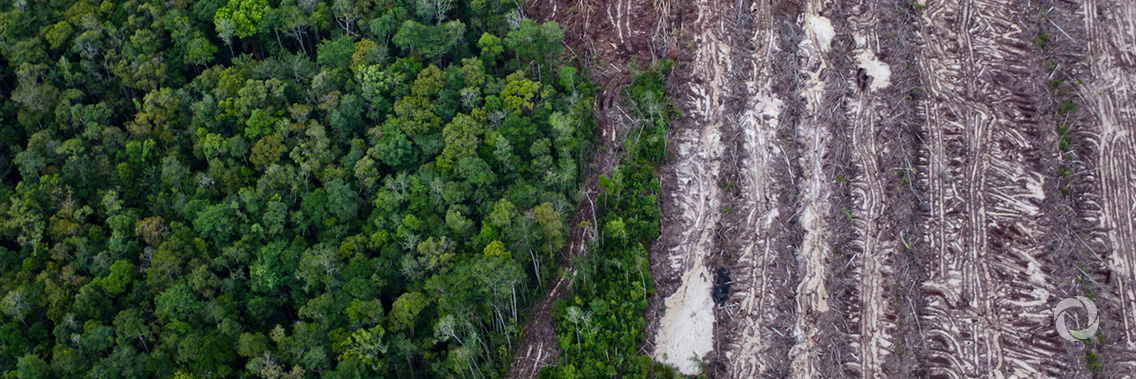
The DRC is home to the world’s second largest tropical rain forest, which serves as a carbon sink and important buffer to fight climate change. More than 300,000 hectares were lost between 2010 and 2015 and international efforts are needed to address deforestation and forest degradation.
Original source: World Bank
Published on 12 February 2019