
Add us as your preferred source on Google to see more of our content in Search.
 Add to Preferred Sources
Urgent action is needed to protect millions of men, women and children exposed to toxic levels of mercury through gold production every year, according to the supporters of a new $180-million programme to reform the artisanal and small-scale mining (ASGM) sector.
Launched at London’s Goldsmiths’ Centre, the Global Environment Facility (GEF) supported Global Opportunities for the Long-term Development of the ASGM Sector (GEF GOLD) programme aims to reduce the use of mercury in artisanal gold mining and introduce and facilitate access to mercury-free extraction methods, while also working with governments to formalize the sector, promote miners’ rights, safety and their access to markets.
Spanning eight countries the five-year programme is a partnership between the Global Environment Facility, the United Nations Development Programme, the United Nations Environment Programme, the United Nations Industrial Development Organization, Conservation International and the governments of Burkina Faso, Colombia, Guyana, Indonesia, Kenya, Mongolia, the Philippines, and Peru.
“From smartphones to wedding rings, gold passes through all of our hands every day. But for most of us the source of that gold, and its real cost remains a mystery,” said Gustavo Fonseca, GEF Director of Programs. “Introducing safe, mercury-free technologies into the ASGM sector will help provide a safe transition to job formality and dignified work for millions while putting an end to the environmental impacts that can pave the way to sustainably produced gold.”
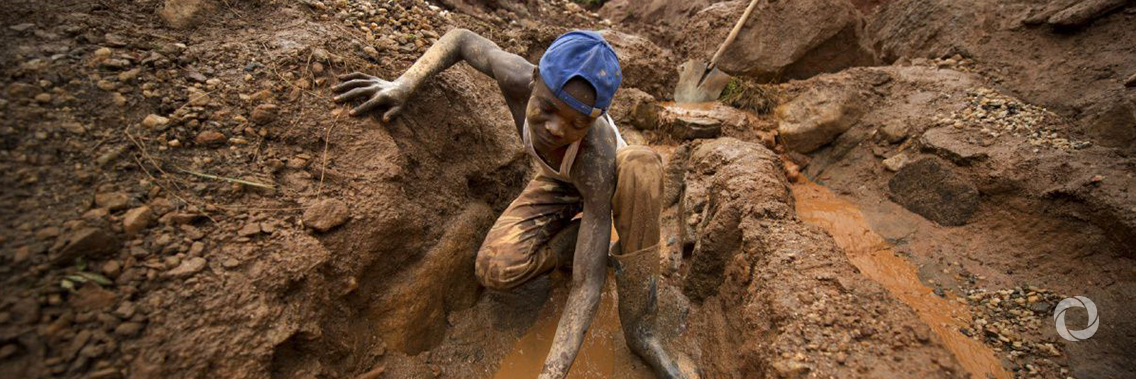
Every year, more than 2,700 tonnes of gold is mined around the world. Twenty percent of that – over 500 tonnes annually is produced by artisanal and small-scale miners. These miners and processors— the majority of them in developing countries often work in harsh conditions, without the protection of industry regulations on pay, health or safety, in order to sate the global hunger for gold—investment in jewelry and consumer products.
While ASGM represents a development opportunity for rural populations, who often have few livelihood alternatives, miners operate on the edges of legality in many countries, with ASGM either banned outright or limited by legislation and licensing procedures designed primarily for large-scale operations.
By supporting the regulatory and policy reforms needed to formalize the work of artisanal and small-scale miners across the eight programme countries, GEF GOLD aims to secure miners’ livelihoods, through opening up the access to markets and finance needed to increase incomes and enable the uptake of mercury-free technology. By phasing out mercury use, the programme aims to achieve eventual mercury emission reductions of 369 tonnes, supporting countries’ commitments under the Minamata Convention on Mercury to reduce and, where feasible, eliminate mercury use in the sector.
“Promoting and facilitating access to non-mercury processing techniques for artisanal and small-scale miners is vital – not only to reduce mercury emissions but to protect the health of vulnerable communities,” UN Environment GEF GOLD Programme Manager Ludovic Bernaudat said.
Alongside working directly with artisanal and small-scale miners and national authorities, the GEF GOLD programme will work with the private sector across industries and partners including the Better Gold Initiative, Alliance for Responsible Mining and Fairtrade International to promote compliance with international standards on responsible mineral supply chains.
Original source: UNDP
Published on 18 February 2019