
Add us as your preferred source on Google to see more of our content in Search.
 Add to Preferred Sources
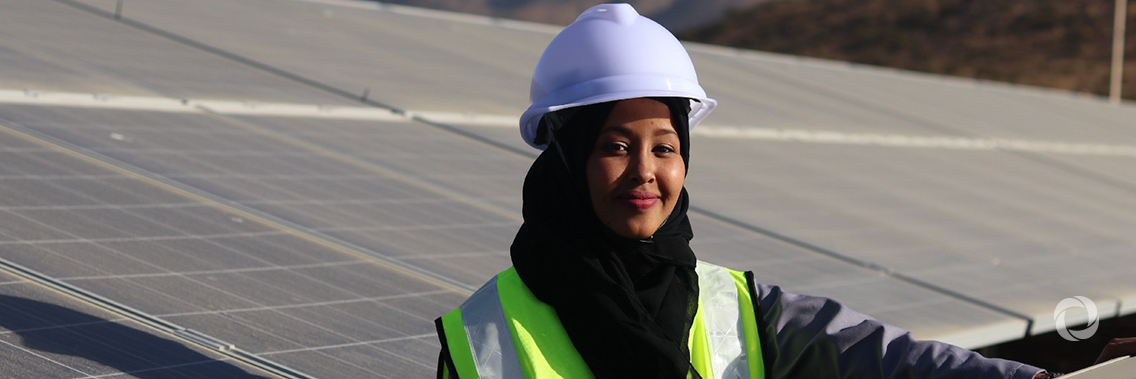
The Asian Development Bank (ADB) is partnering in a new professional network launched in Kathmandu to promote more female practitioners in South Asia’s energy and power sector.
The Women in Power Sector Professional Network in South Asia (WePOWER) aims to support the participation of women in energy projects and institutions, as well as promote more women in science, technology, engineering, and mathematics education.
The first Regional Conference of WePOWER opened with 150 attendees, including representatives of energy sector utilities and public agencies involved in projects, technical universities, women engineers, and students. The 2-day event is co-hosted by the World Bank Group and ADB.
“WePOWER is closely aligned with ADB’s broader long-term commitment embodied in its long-term Strategy 2030 to remove constraints that women face in finding more and better jobs,” said ADB Principal Social Development Specialist Mr. Francesco Tornieri. “Although this applies to all sectors, we see the energy sector as one of the most challenging.”
Energy access and infrastructure development are critical elements in South Asia’s development. An ADB series of Gender Equality Diagnostic studies on the energy industry in South Asian countries has found that women’s skills and perspectives account for a small part of job and decision-making by energy sector agencies. Gender diversity in technical and senior managerial positions is also visibly lacking.
Moreover, an assessment conducted by the World Bank in 8 South Asian countries found very low female enrollment rates in engineering programs (ranging from 0.5% to 31%), low female staff representation in utilities (2% to 17%), and an even lower percentage of women in technical roles in utilities (0.5% to 6%). The studies identified the need for role models and family support, the absence of basic facilities and transport, and the presence of various forms of discrimination and harassment.
Original source: ADB
Published on 20 February 2019