
Add us as your preferred source on Google to see more of our content in Search.
 Add to Preferred Sources
As we mark World Day to Combat Desertification and Drought tomorrow, notable strides have been achieved in building resilience to these issues globally. From Africa to Asia, concerted effort has led to gains in development, and all regions are experiencing economic growth. Building resilience against shocks and natural disasters, such as droughts and desertification, is critical to preserving these achievements.
Climate risks, including desertification and drought, threaten hard-won development gains by impeding growth in strategic sectors such as agriculture, water resource management, and urban development. As was discussed at the recent World Reconstruction Conference (WRC3), these risks, compounded further by fragility and conflict situations, are on the rise in many parts of the world.
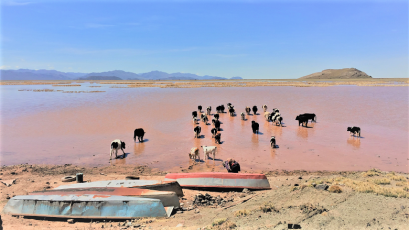
Countries across Africa and the Middle East, many of which are in conflict situations, are confronting this now, with 20 million people across these two regions currently facing famine from a prolonged drought. Future trends predict that by 2030, climate risks could place 43 million Africans below the poverty line.
In East Asia, Vietnam recently experienced its worst drought in 90 years. The El Niño-induced disaster impacted 83 percent of the country’s provinces, affecting over 2 million people. In Indonesia, the rainy season did not start when expected, due to El Niño. The UN estimates that in severely drought-affected districts, 3 million Indonesians live below the poverty line, and 1.2 million of these people rely on rainfall for food production and for their livelihood.
At this critical crossroads, embedding climate resilience systems into regional development plans is imperative, especially when it comes to combating desertification and drought. In response to these challenges, the World Bank and partners have set up programs to strategically tackle drought, desertification, and impending climate risks.
Some examples of programs and projects that work from the ground up to build resilience against natural and climate-induced disasters, such as drought and desertification, include:
- In Africa, to help countries better manage these challenges in the future, the World Bank, with support from the Global Facility for Disaster Reduction and Recovery (GFDRR), has put together the “Africa Disaster Risk Management (DRM) Strategic Framework 2016-2020,” which charts the way toward developing disaster and climate resilience in the region.
- Exacerbated by climate change, the impact of natural disasters on Morocco’s economy amounts to an average of US$ 800 million per year and causes significant human casualties. A GFDRR-supported multi-hazard risk assessment informed the Integrated Disaster Risk Management and Resilience operation, which introduces a comprehensive approach to managing natural disasters, including drought, by combining institutional reforms with disaster risk-reduction investments and the introduction of a catastrophe risk insurance program.
- In Somalia, the Drought Management and Livelihood Protection Project provided targeted emergency support to drought affected populations. It offered cash for work to preserve the livelihoods of communities and distributed agricultural inputs, livestock feed, and veterinary services to support the recovery of agriculture and livestock production.
Source: World Bank. Read full information.
12 July, 2017