
Add us as your preferred source on Google to see more of our content in Search.
 Add to Preferred Sources
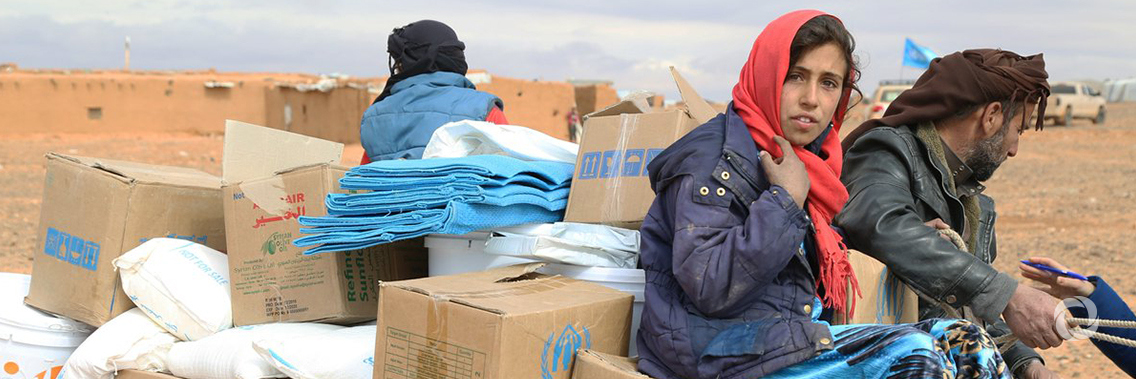
The United Nations World Food Programme (WFP) has launched an airlift operation to deliver life-saving food supplies to 18,000 people in Zemio, 1000 km East of the capital Bangui. The region is on the brink of severe food and nutritional crisis, due to a combination of insecurity and transport infrastructure challenges, which hamper humanitarian access to the area.
“The humanitarian situation in Zemio is perilous and can quickly descend into a catastrophe, if we do not act now,” said Gian Carlo Cirri, WFP Representative and Country Director in C.A.R. “Partners on the ground say women and children do not have enough food to eat and people are living in dire conditions.”
A spike in violence in and around Zemio has curtailed movement, with people unable to access markets. Most have lost their food reserves due to their inability to reach their farms because of violence.
The airlift is the first step of a more comprehensive plan to address the humanitarian situation in the south-east of the country. WFP will provide food to internally displaced people (IDPs) and the hosts who have been sheltering them. Specialised nutritious food will be distributed to families with young children, pregnant women and breastfeeding mothers.
WFP normally moves supplies into Zemio via Obo by land from neighbouring Uganda and by river from the capital Bangui via Bangassou, but a broken bridge and out-of-service ferries have made this impossible. WFP is looking into alternative options to move food by river while engineers from the UN peacekeeping mission (MINUSCA) are working to repair the ferry.
WFP needs US$ 87 million to provide lifesaving assistance through general food distribution, cash transfers, and enhanced nutrition programmes to around one million people in 2019.
Original source: WFP
Published on 27 February 2019