
Add us as your preferred source on Google to see more of our content in Search.
 Add to Preferred Sources
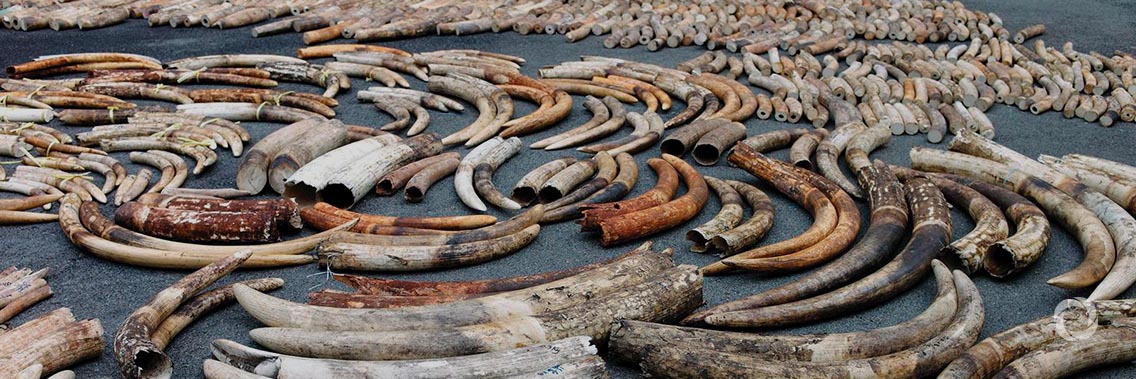
Mozambique, like many other countries in Asia and Africa, is facing a poaching crisis that is threatening national security and its ecological integrity. Strengthening law enforcement, including support to rangers on the front line of the war on wildlife, is one of the many strategies being deployed by the Global Wildlife Program (GWP) to help 19 countries combat the illegal wildlife trade.
Funded by the GEF with grants totaling $131 million, the World Bank-led GWP provides critical knowledge and supports action on the ground. The World Bank, Asian Development Bank, United Nations Development Programme, and UN Environment join with in-country partners to implement each of the 20 projects that constitute the programme.
Under the GWP, national projects can achieve greater impact than if they worked individually. They also benefit from strategic partnerships and leveraging financing.
With wildlife trafficking reaching unprecedented levels—threatening iconic species with extinction and robbing local communities of their livelihoods—the GWP and its partners are tackling the illegal wildlife trade’s entire supply chain.
Efforts to save species and preserve protected areas include anti-poaching interventions, integrated landscape management, human-wildlife conflict mitigation, improved legislation and prosecution for effective law enforcement, and campaigns that promote changing the behavior of people to stop purchasing illegal wildlife products.
Additionally, the programme curates and shares the latest research and tools in conservation with project teams and partners who are in a race against time to save wildlife.
The GWP and GEF are promoting more partnerships between governments, NGOs, and donors to respond to the growing wildlife crisis.
With the support of the UK and other donor countries, the GEF has allocated $168 million to stop wildlife crime over its new funding cycle, an increase of $37 million on previous years. It could hardly be more timely, or urgent.
Original source: Global Cause
Published on 04 March 2019