
World Bank signs agreement to provide additional funds for post- disaster recovery in State of Uttarakhand
Add us as your preferred source on Google to see more of our content in Search.
 Add to Preferred Sources
The World Bank, Government of India and Government of Uttarakhand (GoUK) signed a $96 million agreement to provide additional funds to the state in its post-disaster recovery plans, ongoing since the floods of 2013, as well as strengthen its capacity for disaster risk management.
The World Bank, through the Uttarakhand Disaster Recovery Project, has been supporting the state government since 2014 to restore housing and rural connectivity and to build the resilience of communities. So far, the project has completed more than 2,000 permanent houses and 23 public buildings and restored over 1,300 kilometers of roads and 16 bridges.
The additional financing of $96 million will further help in the reconstruction of bridges, road, and river bank protection works, and in the construction of a training facility for the State Disaster Response Force (SDRF). The project will also help to increase the technical capacity of the state entities to respond promptly and more effectively to such crises in the future.
“Natural disasters cost the country an average of $9.8 billion annually. The Government of India has made great strides in moving from reactive emergency response to proactively implement disaster preparedness and risk reduction initiatives. We are committed to supporting Uttarakhand in its efforts towards a resilient recovery and rehabilitation,” said Hisham Abdo, Acting Country Director, World Bank
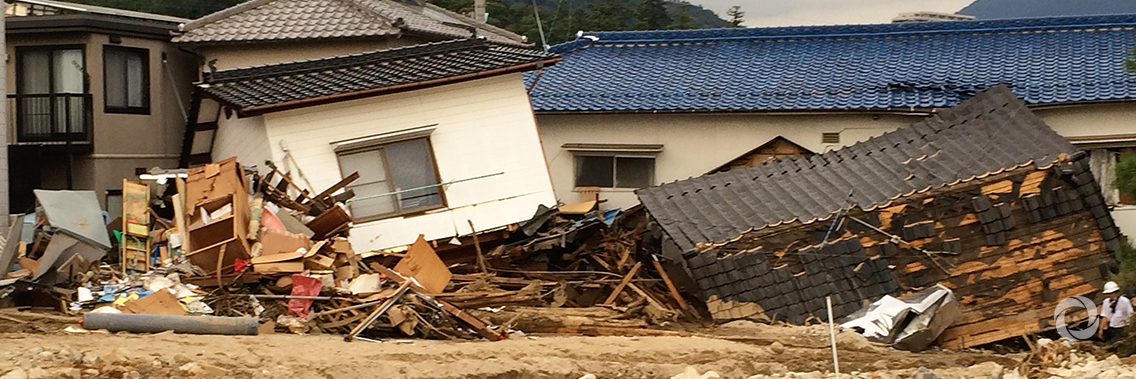
In June 2013, a heavy deluge caused devastating floods and landslides in the Himalayan state of Uttarakhand. The disaster, the worst of its kind since the 2003 tsunami, hit more than 4,200 villages, damaged 2,500 houses, and killed 4,000 people.
The project has helped in strengthening the state’s disaster risk management capacity which has led to enhanced investment in long-term resilience through policies and institutions.
The extent and pace of recovery since 2013 has been significant, however, connectivity remains a challenge. Landslides and river bank erosion are common and continue to disrupt movement and cause accidents, affecting the livelihood and access to services of the local community. In the aftermath of the floods, the number of tourists visiting the state dropped from over 2.5 million in 2012 to less than 350,000 in 2014.
The $96 million loan from the International Bank for Reconstruction and Development (IBRD), has a 5-year grace period, and a final maturity of 15 years.
Original source: World Bank
Published on 05 March 2019