
Add us as your preferred source on Google to see more of our content in Search.
 Add to Preferred Sources
While some people in the WHO European Region take clean drinking water for granted, many communities throughout the Region – and the world – still suffer from water-related issues. World Water Day is a day for action to encourage engagement and share knowledge on safe and sustainable management of water.
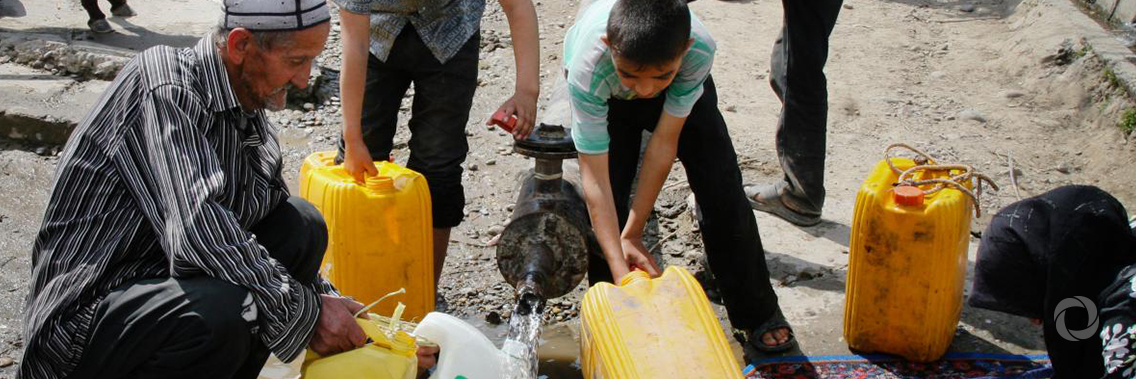
This year the campaign shines a light on “leaving no one behind”, providing equitable and safely managed water services for all, including remote rural communities. Tajikistan has introduced water safety plans (WSPs) to central Asia for the first time, with the recent completion of a successful pilot project, implemented by rural communities across the country. The project represents a major step towards achieving Sustainable Development Goal (SDG) 6 on water and sanitation.
WHO/Europe and the Ministry of Health and Social Protection of Tajikistan have been working closely together since 2016 to strengthen drinking-water quality management and surveillance. A national team of water safety planning experts has been established. These facilitators now have the tools and knowledge to guide drinking-water suppliers and authorities through proper risk assessment and safe operational practices under the many different environmental conditions in the country.
Representatives from the national water sector have also compiled national policy and programme guidance on water safety planning. Currently, in the final process of ministerial approval, this guidance will help ensure that communities across Tajikistan become more resilient through access to safer drinking water. The project has helped to raise water safety planning to be a national priority, which is soon to be reflected in a new law on water and sanitation.
As a health response towards achieving SDG 6, WHO recommends the introduction of a WSP for every drinking-water supply. The approach combines established risk-management principles with a prevention-focused operation and monitoring practices. These principles remain the same for large urban suppliers as they do for small rural operators, and they have already been applied in over 80 countries around the world.
The project was coordinated by the WHO European Centre for Environment and Health and funded by the Ministry for Foreign Affairs of Finland under Finland’s Water Sector Support to Kyrgyzstan and Tajikistan programme.
Original source: WHO
Published on 21 March 2019