
Add us as your preferred source on Google to see more of our content in Search.
 Add to Preferred Sources
The Executive Director of the UN World Food Programme (WFP) David Beasley has ended a three-day visit to Egypt where he visited WFP operations in villages close to the county’s historic town of Luxor in Upper Egypt.
Beasley ended his visit with a meeting with the Egyptian President Abdel Fattah El-Sisi. The WFP chief said he was committed to supporting Egypt’s objectives of inclusive and sustainable development as outlined in Egypt Vision 2030.
“Egypt is in an extraordinary position to impact the world and provide leadership on food security progress around the world and in this region,” said Beasley. “If Egyptians can build the pyramids, they can do anything.”
In 2018, WFP – in partnership with the government – provided assistance to nearly three million people, mostly in remote and rural areas in Egypt. WFP is implementing climate change interventions, awareness and nutrition projects, as well as school feeding and other initiatives so that communities may become more self-reliant.
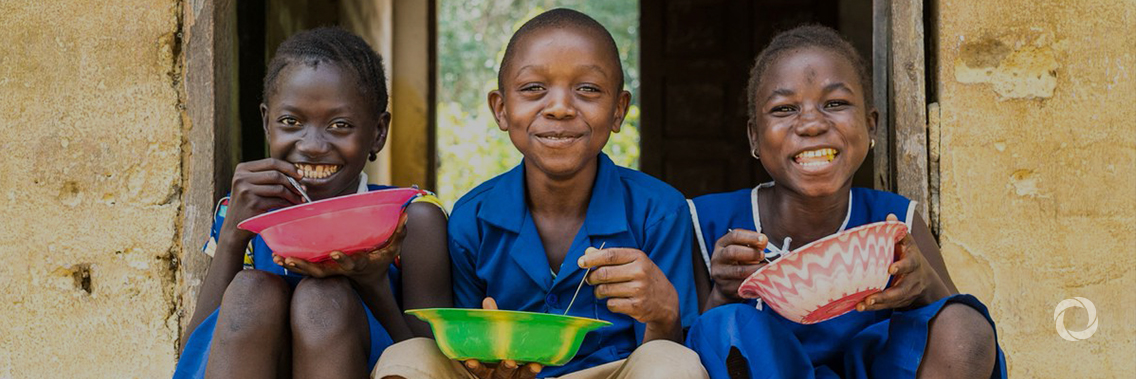
At the heart of WFP’s development package for Egypt is educational support through school feeding. This benefits more than one million children in nine governorates across the country. This is WFP’s largest school feeding programmes in the world.
In Egypt, WFP is supporting 4,700 community schools serving approximately 124,000 students, of which more than 80 percent are girls – most are in Upper Egypt.
“WFP projects are designed with not only families but with whole communities in mind,” Beasley said. “These projects show WFP’s determination to leave no one behind, especially women. Thanks to the hard work the smallholder farmers are doing with our support, I envision a day when WFP is no longer needed because the entire community — including women and girls — are completely self-sufficient.’’
WFP has been in Egypt since 1968, working with the government to respond to humanitarian needs and tackle the underlying causes of vulnerability to food insecurity and malnutrition in the country. A particular focus is on the prevention of chronic malnutrition among children in the first 1,000 days of their lives as well as among pregnant and nursing women.
Original source: WFP
Published on 24 March 2019