
Venezuela migrant crisis: 1.1 million children across the region will need assistance in 2019, up from nearly half a million today
Add us as your preferred source on Google to see more of our content in Search.
 Add to Preferred Sources
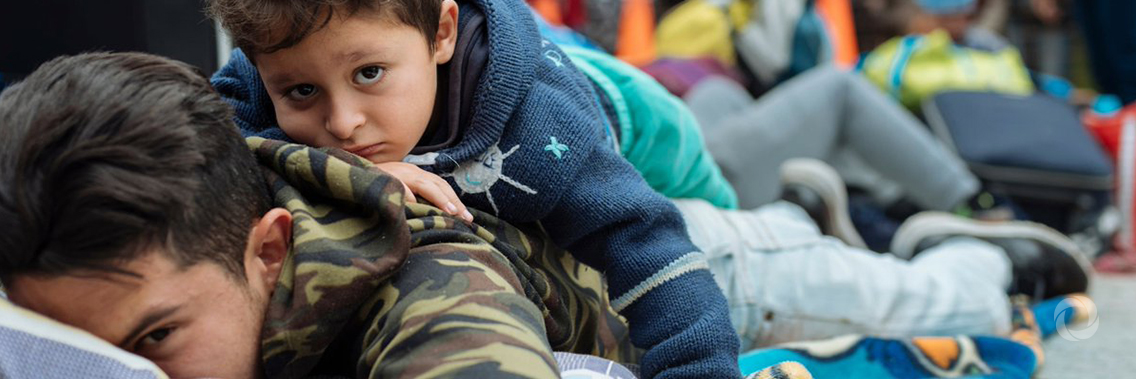
As a result of the Venezuela migrant crisis, an estimated 1.1 million children – including children uprooted from Venezuela, as well as returnees and those living in host and transit communities – will need protection and access to basic services across Latin America and the Caribbean in 2019, UNICEF said.
This is a projected increase from the nearly 500,000 children in need today. The UN children’s agency also called on Governments in the region to uphold the rights of all children, including migrants and refugees, and to ensure their access to essential services.
Humanitarian partners project that up to 4.9 million people in the region – including Brazil, Colombia, Ecuador, Guyana, Panama, Peru and Trinidad and Tobago – will need assistance this year because of political and economic conditions inside Venezuela that are driving regional migration.
“UNICEF is encouraged by Governments’ efforts to jointly seek regional solutions to the challenges posed by large-scale migration that are in line with international standards and national laws, such as the protocol adopted by Ecuador to protect uprooted children,” said María Cristina Perceval, UNICEF Regional Director for Latin America and the Caribbean.
It is clear, however, that as the crisis inside Venezuela persists and the number of Venezuelan migrants in the region continues to rise, essential services like protection, healthcare and education in host and transit countries are coming under additional strain.
Uprooted children and families face challenges to regularizing their immigration status which can affect their access to social protection, healthcare, early childhood development, education, sustainable livelihoods and child protection. Meanwhile, the lack of comprehensive public policies on migratory issues in host countries is putting children at higher risk of discrimination, violence, family separation, xenophobia, exploitation and abuse.
UNICEF is particularly concerned about reports of xenophobia, discrimination and violence perpetrated against Venezuelan children and families in host communities.
Some migrants – including unaccompanied and separated children, pregnant women, nursing mothers as well as indigenous people – are at increased risk.
Registering children on the move is the first step in guaranteeing their rights. Information resulting from the registration process also provides States with valuable information to better plan and budget their response.
UNICEF has appealed for US$69.5M million to meet the needs of uprooted children from Venezuela and those living in host and transit communities across the LAC region. The UNICEF response involves working with national and local governments, host communities and partners to ensure access to safe drinking water and sanitation, protection, education and health services for uprooted children and those in vulnerable communities.
Original source: UNICEF
Published on 05 April 2019