
Add us as your preferred source on Google to see more of our content in Search.
 Add to Preferred Sources
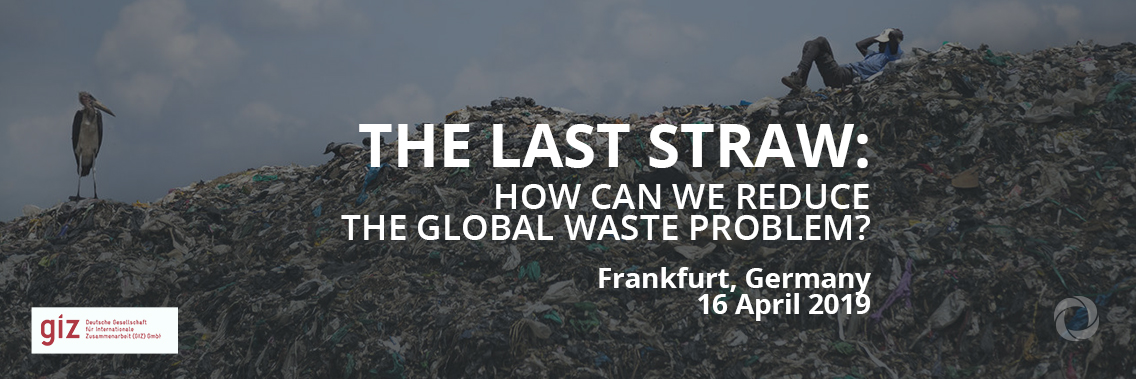
Plastic bags, food packaging, e-waste: trash is piling up around the world and putting growing pressure on humans and the environment. Waste streams run around the globe: garbage is exported from one end of the world to the other and flows into oceans through rivers. The largest floating pile of trash on the planet is estimated to have grown to the size of Western Europe.
The problem affects developing countries and emerging economies in particular. Few of them possess a formal waste separation and recycling infrastructure. The World Bank estimates that 90 percent of waste is discarded and incinerated there in an uncontrolled manner. Not only does this pose a threat to people’s health and release greenhouse gases; valuable resources such as metals are being lost forever. In many places, the problem is being exacerbated by population growth, urbanisation and advancing industrialisation.
But it is not only developing countries and emerging economies that have a waste problem. Industrialised states such as Germany, too, are far from having a complete circular economy. The World Bank expects waste generation to increase by 70 per cent around the world by 2050, so solutions are urgently needed. How can the global waste problem be mitigated? Where do we need to act to meet the challenges? What approaches and answers exist already – and where is specific action needed?
VENUE:
Frankfurt, Germany
16 April 2019
Original source: GIZ
Published on 11 April 2019