
Add us as your preferred source on Google to see more of our content in Search.
 Add to Preferred Sources
African Development Bank announced it would set up a $100 million response and reconstruction programme to begin economic recovery and rehabilitation in Mozambique, Malawi and Zimbabwe, Spring Meetings of the World Bank and IMF turned out fruitful and WHO together with UNICEF declared a global measles crisis. Here is what you missed from last week’s top stories in the international development sector:
One month on from Cyclone Idai, 1.6 million children still reeling from its impact
At least 1.6 million children need urgent assistance – in healthcare, nutrition, protection, education, water and sanitation – one month after Cyclone Idai devastated parts of Mozambique, Malawi and Zimbabwe, according to UNICEF. Any prolonged interruption in access to essential services could lead to disease outbreaks and spikes in malnutrition, to which children are especially vulnerable, said UNICEF.
Meanwhile, IOM launched an appeal for USD 3.15 million to assist Malawi victims via Shelter and Non-Food Items, Camp Coordination and Camp Management and IOM’s Displacement Tracking Matrix. At the same time, USAID has provided $3 million to Malawi via the World Food Programme to cover cash-based assistance to flood-affected people as well as early recovery efforts.
According to the Government of Malawi’s figures, more than 868,900 people have been affected by the cyclone, including more than 86,980 displaced, with 60 deaths and 672 injuries recorded. In total, fifteen districts in southern Malawi have been impacted.
On the other side, farmers in areas left devastated in Mozambique have started to receive agricultural inputs thanks to a joint effort by the Food and Agriculture Organization (FAO) and Mozambique’s Ministry of Agriculture and Food Security to assist hard-hit rural families to get a head-start on the impending secondary growing season.
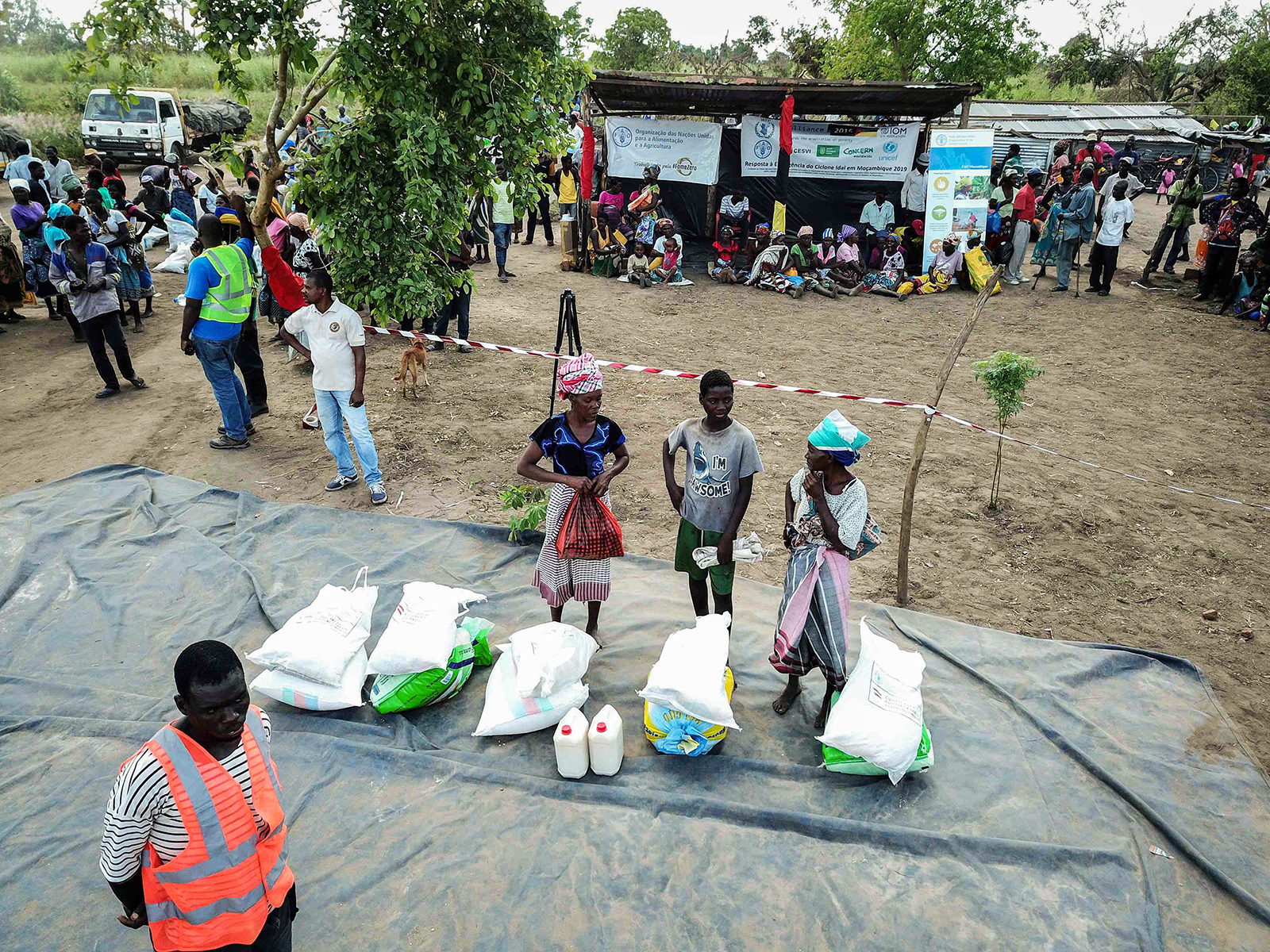
Top story in the coverage of Cyclone Idai recovery efforts is that the African Development Bank announced it would set up a response and reconstruction programme and would commit up to $100 million to begin economic recovery and rehabilitation in Mozambique, Malawi and Zimbabwe. The Bank said it is also working to put together a long-term solution to climate risk in Southern Africa.
Spring Meetings of the World Bank and IMF
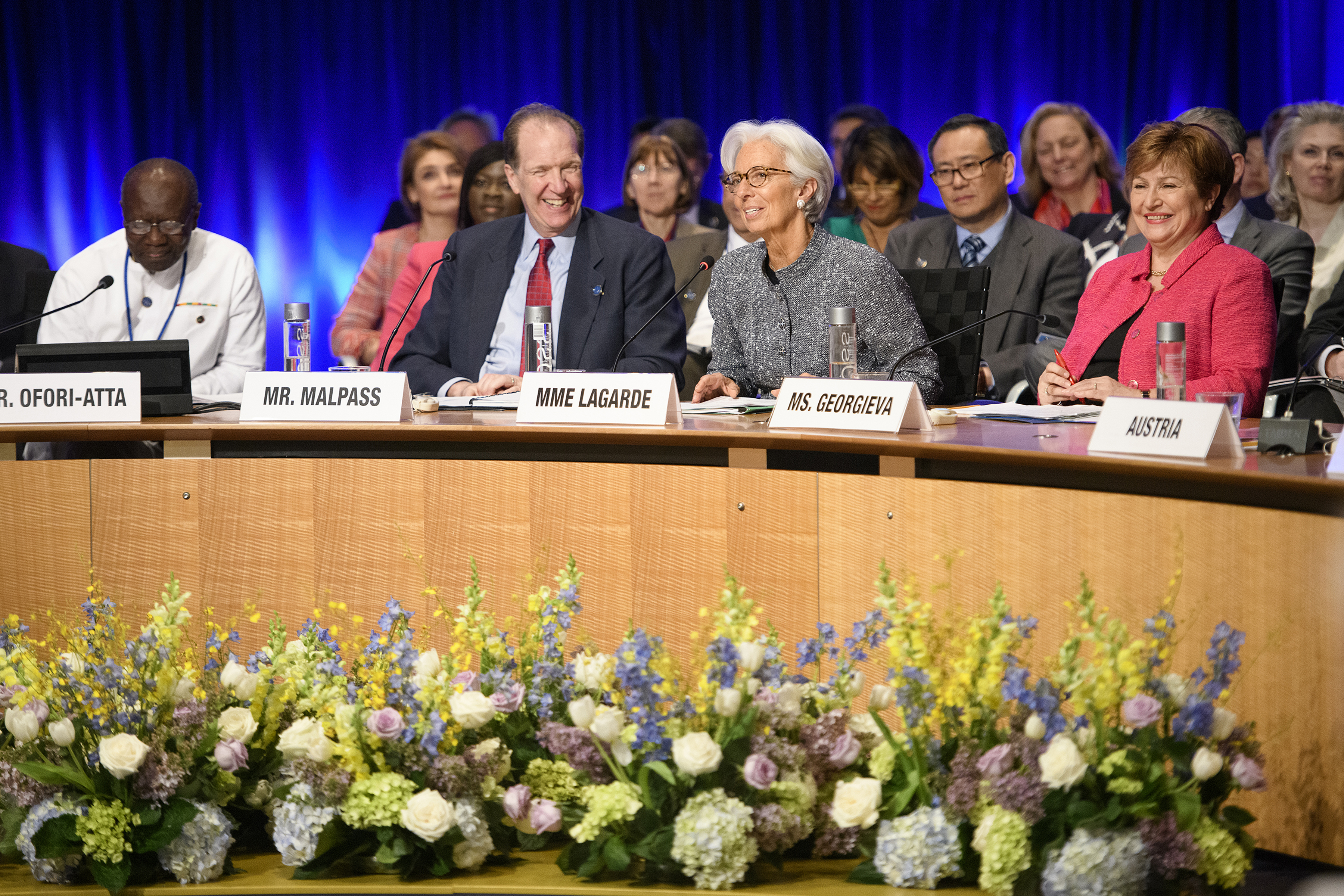
At the Spring Meetings of the World Bank Group and International Monetary Fund, Finance Ministers from more than twenty countries launched a new coalition aimed at driving stronger collective action on climate change and its impacts.
The newly formed Coalition of Finance Ministers for Climate Action endorsed a set of six common principles, known as the “Helsinki Principles,” that promote national climate action, especially through fiscal policy and the use of public finance.
“Finance ministries have a crucial role to play in accelerating the global shift to a low-carbon, climate-resilient growth model,” said World Bank CEO, Kristalina Georgieva. “This Coalition demonstrates new levels of ambition from decision-makers in the fiscal policy arena and provides an important platform for Finance Ministers to share best practice on the jobs and growth benefits of the new climate economy.”
During the Spring Meetings, the World Bank launched a human capital plan, as well, committing to increase its investments in human capital in Africa by 50% in the next funding cycle. This includes new World Bank grants and concessional finance for human capital projects in Africa totaling $15 billion in fiscal years 2021-2023.
The bank has also signed a declaration of intent together with the German Federal Ministry for Economic Cooperation and Development (BMZ) to foster cooperation on sustainable and inclusive development in the Middle East and North Africa Region (MENA). Six priority countries are included in the partnership, namely: Egypt, Iraq, Jordan, Lebanon, Libya, and Yemen, while cooperation may extend to other countries following a joint assessment.
‘Critical moment’ for sustainable development, António Guterres told the Forum on Financing for Development
“Uneven growth, rising debt levels, possible upticks in financial volatility, and heightened global trade tensions” are hampering progress on reaching the SDGs, UN chief António Guterres told the Forum on Financing for Development during what he called “a critical moment” to “accelerate action for sustainable development”.
Noting that development aid remains essential, “especially for the poorest countries”, the UN chief shone a light on the importance of countries themselves generating more funding, including by increasing tax revenue and the impact of the investment.
WHO and UNICEF warn about ‘a global measles crisis’
Noting a 300 percent surge in the number of measles cases during the first three months of this year, compared to the same period last year, the two UN agency heads declared last week that we now stand “in the middle of a global measles crisis”.
Following two years of consecutive increases, the Democratic Republic of the Congo (DRC), Ethiopia, Georgia, Kazakhstan, Kyrgyzstan, Madagascar, Myanmar, Philippines, Sudan, Thailand and Ukraine are all in the midst of current outbreaks. The virus is also spreading fast among clusters of people who are resisting vaccination, in countries with high overall vaccination rates.
UNESCO stands by France to rehabilitate Notre Dame
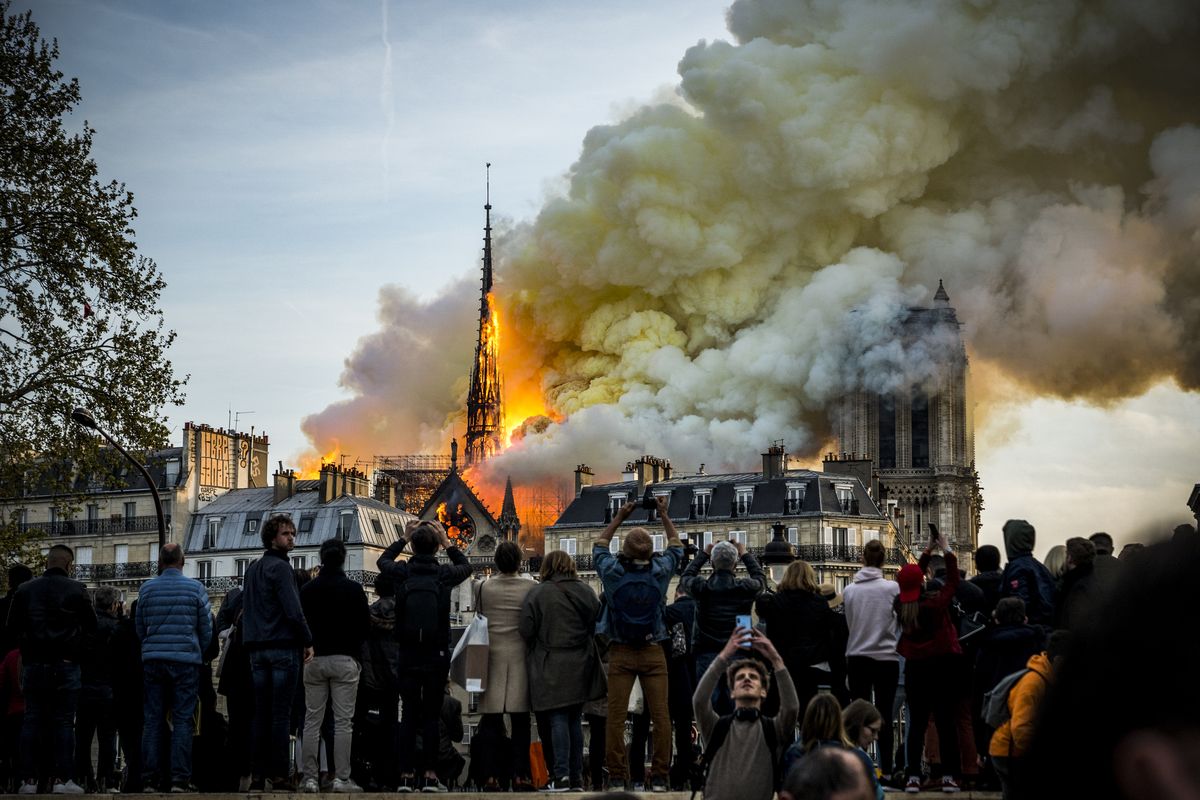
UNESCO Director-General announced that a rapid damage assessment of the devastating fire which destroyed the cathedral’s roof would be carried out as soon as possible.
“UNESCO stands by France in safeguarding and rehabilitating this invaluable heritage,” she said. “We are already in contact with experts and ready to send an emergency mission to assess the damage, preserve what can be preserved and plan short and medium-term measures,” Ms. Azoulay said.
Here’s what else happened
Humanitarian aid: The Central Emergency Response Fund (CERF) released a record allocation of US$125 million – the largest underfunded allocation in CERF history. The allocation will allow the United Nations and humanitarian partners to sustain critical aid operations for more than nine million people in 13 underfunded emergencies.
Education: The Islamic Development Bank and the Global Partnership for Education launched an alliance to address the global education crisis. As part of the collaboration, IsDB will help leverage new funding through the GPE Multiplier and will work with GPE to strengthen coordination and policy dialogue among education groups in developing countries.
Rohingya and Yemenis: UNHCR received landmark $35 million donation from Qatari businessperson Sheikh Thani Bin Abdullah Bin Thani Al-Thani. The donation, which is the largest UNHCR has received from an individual, covers a one-year cooperation agreement and two grant agreements in the benefit of Rohingya refugees in Bangladesh and displaced Yemenis.
South Sudan: 6,000 children reunited with families after years of separation as a result of combined efforts of Save the Children, UNICEF and partners. This is a milestone for the Family Tracing and Reunification (FTR) programme in South Sudan since the first reunification of children in 2014.
Also, collective assistance from the European Union and its Member States amounted to more than €74.4 billion in 2018.
Reports
State of World Population 2019
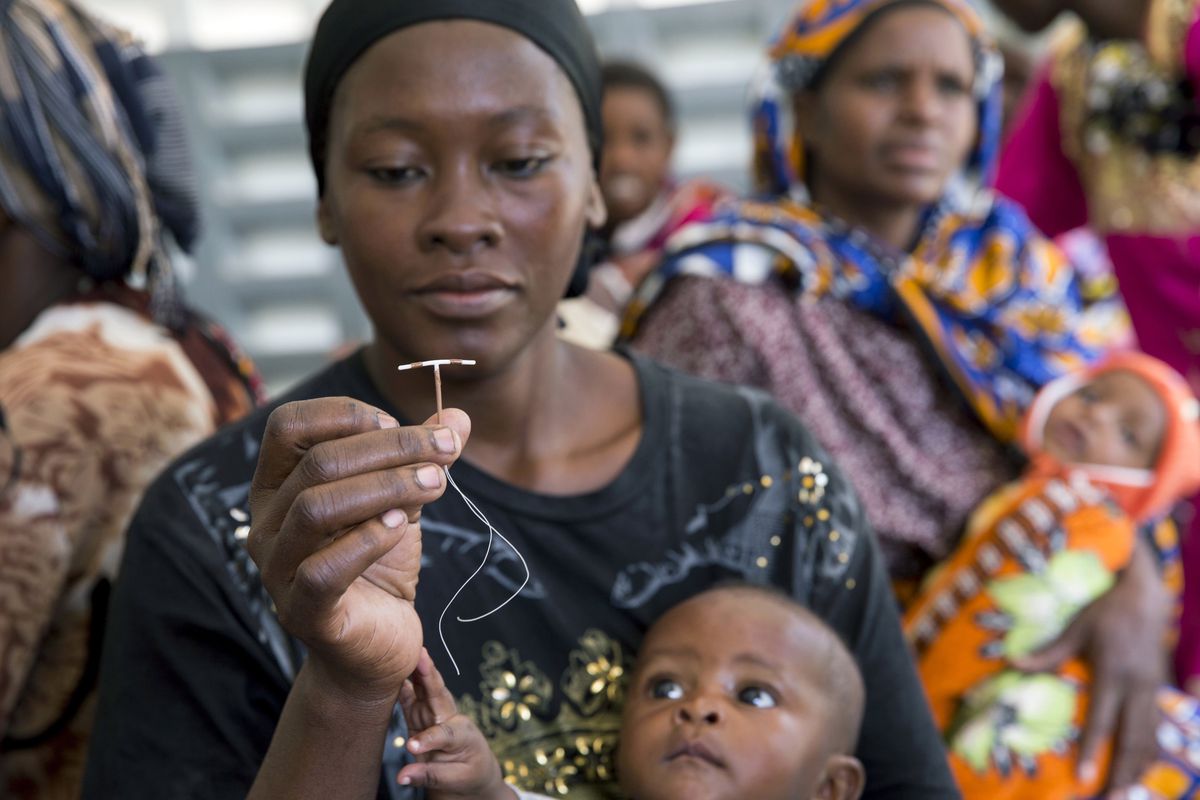
The 2019 edition of the report traces advances in reproductive health on the anniversaries of two important milestones. It has been 50 years since UNFPA began operations in 1969 as the first United Nations agency to address population growth and reproductive health needs. It is also the 25th anniversary of the 1994 International Conference on Population and Development (ICPD), where 179 governments called for all people to have access to comprehensive reproductive health care, including voluntary family planning, and safe pregnancy and childbirth services.
The report includes, for the first time, data on women’s ability to make decisions over three key areas: sexual intercourse with their partner, contraception use and health care.
Events announced
Our Forests, Our Future
Brussels, Belgium
25-26 April 2019
The conference, which is organized by the European Commission, will analyze and discuss opportunities and challenges for enhancing the contribution of the forest sector to the main EU priorities.
High-level speakers will include Commissioner Hogan (Agriculture & Rural Development), Commissioner Arias Cañete (Climate Action & Energy), Commissioner Mimica (International Cooperation and Development), Minister Deneş (Romanian Minister for Water and Forests), Minister Pivec (Slovenian Minister for Agriculture, Forestry and Food), and high representatives of the private sector, academia, civil society and non-governmental organisations.
49th Session of the Intergovernmental Panel on Climate Change (IPCC)
Kyoto, Japan
8-12 May 2019
The IPCC is currently in its sixth assessment cycle. During this cycle, the Panel will produce the Sixth Assessment Report (AR6), a Methodology Report to refine the 2006 IPCC Guidelines for National Greenhouse Gas Inventories, and three other special reports.
1st Global Planning Meeting of the United Nations Decade of Ocean Science for Sustainable Development
Denmark, Copenhagen
13-15 May 2019
The Global Planning Meeting will provide a forum to gather approximately 200 thought-leaders/champions/key stakeholders. A mixture of plenary and break-out groups will facilitate international, interdisciplinary discussions across sectors (such as ocean science and technology; ocean policy and sustainable development; business and industry; NGOs and civil society; donors and foundations) to identify concrete deliverables and partnerships to meet the Decade’s six societal objectives.
International Conference on Artificial Intelligence and Education
Beijing, China
16-18 May 2019
The Conference aims to provide a platform for Member States, international organizations, civil society, and the AI industry, among others, to exchange information on the latest trends in AI and how the trends are shaping education and learning and to strengthen international cooperation and partnership for promoting equitable, inclusive, and transparent use of AI in education.
72nd World Health Assembly (WHA72)
Geneva, Switzerland
20-28 May 2019
The World Health Assembly is the supreme decision-making body for the World Health Organization. It generally meets in Geneva in May each year and is attended by delegations from all 194 Member States.
Urban Future Global Conference
Oslo, Norway
22-24 May 2019
The Urban Future Global Conference is Europe’s largest event for sustainable cities. The 2019 event will focus on urban mobility, built environment and architecture, leadership, and green business and innovation. The conference programme is organized around ten tracks: how to build sustainably; car-free city life; happy city; business and innovation; circular economy; cutting carbon emissions; green public procurement; leadership; metropolitan areas management; and electrification.
1st UN-Habitat Assembly
Nairobi, Kenya
27-31 May 2019
The special theme for the UN-Habitat Assembly is “Innovation for Better Quality of Life in Cities and Communities”. During the first session, The Assembly is expected to establish the Executive Board of UN-Habitat and elect its members, to review and approve the UN-Habitat Strategic Plan 2020-2025 and also review the Progress in the implementation of New Urban Agenda, among other things.
COP25 climate change summit
Santiago, Chile
2-14 December 2019
Chilean President Sebastián Piñera launched the COP25 climate change summit, calling for tougher and more ambitious steps to be taken, and for appreciation of the urgent need for change in order to protect the planet.
The main themes that will be covered during the summit include oceans, Antarctica, renewable energy, circular economy, ecosystems, biodiversity and electromobility.