
Add us as your preferred source on Google to see more of our content in Search.
 Add to Preferred Sources
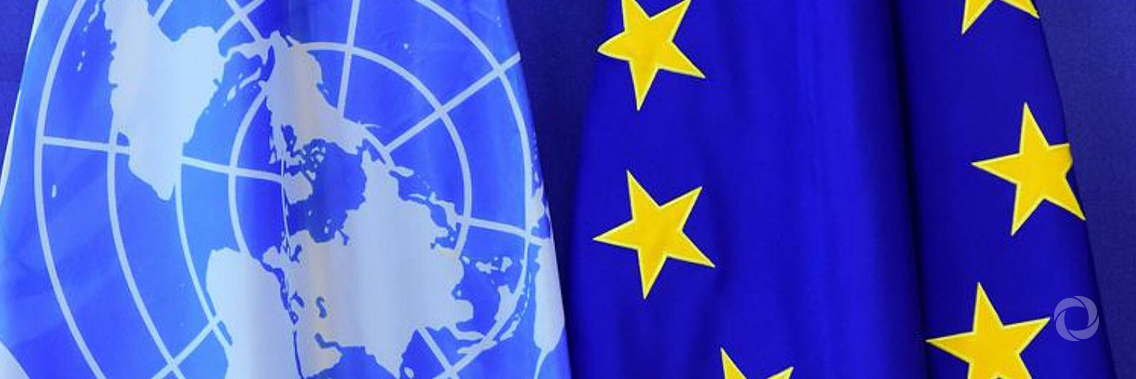
Terrorism in all forms and manifestations constitutes one of the most serious threats to international peace and security. Countering this threat requires collective efforts at national, regional and international level. In this spirit, the United Nations (UN) and the European Union (EU) signed a Framework on Counter-Terrorism strengthening the EU-UN partnership in this area, on the occasion of their second EU-UN high-level political dialogue on Counter-Terrorism held in New York.
“The second Leader’s Dialogue on Counter-Terrorism promoted a new spirit of practical collaboration aimed at strengthening multilateral coordination efforts in countering terrorism and preventing and countering of violent extremism, so as to have more impact on the ground,” said Mr Voronkov, the Head of the United Nations Office of Counter-Terrorism.
The Framework for UN-EU cooperation on countering terrorism and preventing violent extremism promotes cooperation on capacity building to counter terrorism and prevent and counter violent extremism (PCVE) in Africa, the Middle East, and Asia, as well as support to the development of national and regional PCVE action plans promoting youth engagement and gender perspectives.
“Effectively countering and preventing terrorism is and remains a shared priority for the European Union and the United Nations. Through a joint, effective, multilateral response, we will step up our cooperation to improve the safety of citizens in Europe and around the globe, while strengthening the respect for human rights and the rule of law,” said Mr. Pedro Serrano, Deputy Secretary-General for the Common Security and Defence Policy at the European External Action Service.
Today’s discussions during the EU-UN high-level political dialogue reflected the priorities laid out in the Framework, focusing on areas of common concern such as border security management, countering the financing of terrorism and terrorist narratives and supporting victims of terrorism.
Original source: European Commission
Published on 24 April 2019