
Add us as your preferred source on Google to see more of our content in Search.
 Add to Preferred Sources
The Sahel remains affected by conflict, food insecurity, malnutrition, population displacement, natural disasters, and epidemics and unless we address these crises from their roots millions of people will continue requiring urgent assistance each year, FAO Director-General José Graziano Da Silva said.
“Major investments in rural development and agriculture must be integral to peacebuilding efforts,” he added. The FAO Director-General made the remarks during a visit to Senegal.
Some 6 million people in the Sahel faced acute hunger last year, around half of whom are pastoralists and agropastoralists, according to the Permanent Interstate Committee for Drought Control in the Sahel (CILSS) and the Cadre Harmonisé analyses.
Graziano da Silva noted that building on successful interventions, FAO and the European Union (EU) are boosting their joint efforts to strengthen food insecurity and resilience analyses, country-level investments in building resilient livelihoods and supporting policy change.
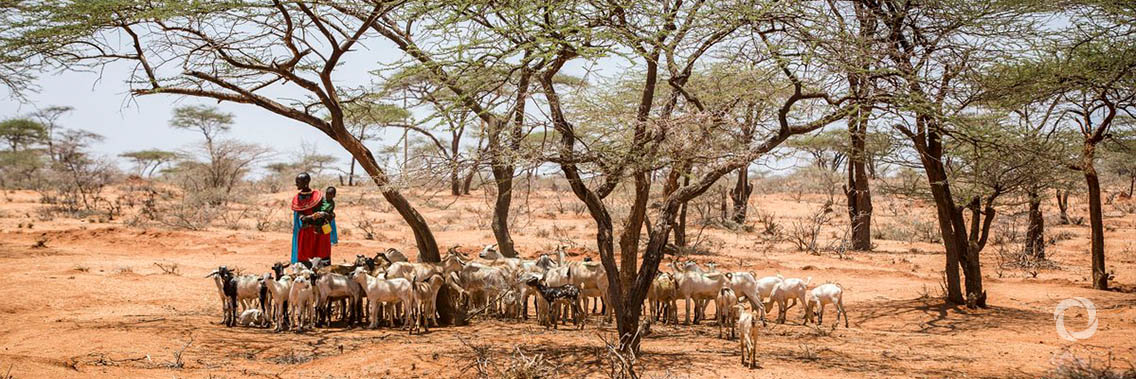
In the framework of the Global Network against Food Crises Partnership Programme, FAO and the EU are implementing a 9-million euro project designed to benefit 140 000 people – many of whom are vulnerable pastoralists – in the Sahel desert area.
The project aims to contribute to a broader regional approach to strengthen the resilience of transboundary agropastoral communities to food crises in the Sahel in a long-term perspective. In so doing, the aim is also to help achieve stability in several Sahel priority zones as defined by the G5 Sahel, including Senegal, and between Burkina Faso, Mali and the Niger.
Moreover, it aims to develop information networks that will help guide decision-makers and agropastoralists in their choice of investment strategies, economic activities and mobility options.
The project is part of the United Nations agency’s efforts to support sustainable peace, which encompasses activities aimed at preventing the outbreak, escalation, continuation and recurrence of conflict as well as moving towards recovery, reconstruction and development.
Original source: FAO
Published on 25 April 2019