
Add us as your preferred source on Google to see more of our content in Search.
 Add to Preferred Sources
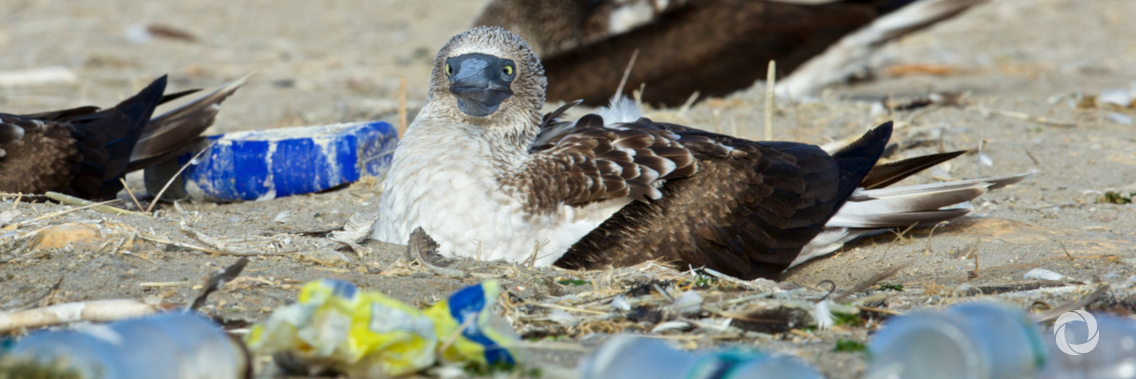
This year’s World Migratory Bird Day raised awareness about the serious threats that plastic pollution poses to bird life, with a call for urgent measures to end the problem.
These include getting caught up in fishing gear and other plastic debris; confusing plastic waste with food and eating it, which fills their stomachs and causes them to starve; and using debris as material for nest-building, which can harm their chicks.
“One-third of global plastic production is non-recyclable and at least eight million tons of plastic flows unabated into our oceans and water bodies each year. It is ending up in the stomachs of birds, fish, plankton, and in our soil and water. The world is choking on plastic and so too are our birds, on which so much life on Earth depends,” said Joyce Msuya, acting Executive Director of the UN Environment Programme (UNEP).
Online tools have helped scientists to build up a comprehensive picture of the effect that discarded fishing equipment is having on birds.
Studies by Peter Ryan, Director of the Fitzpatrick Institute of African Ornithology at the University of Cape Town, have shown that almost all marine and freshwater birds are at risk of entanglement in plastic waste and other synthetic materials. A wide diversity of land birds, from eagles to small finches, are also affected, and these numbers are expected to increase.
Research shows that about 40 percent of seabirds have consumed plastic. This can kill them or, more likely, cause severe injuries, and plastic accumulations can block or damage the digestive tract or give the animal a false sense that they are no longer hungry, leading to starvation.
In an effort to tackle plastic pollution, UNEP launched the Clean Seas campaign in 2017, which asks individuals, governments and business to take concrete steps to reduce their own plastic footprints.
The Convention on Migratory Species, and the African Eurasian Waterbird Agreement (AEWA), which are backed by UNEP, work with countries to prevent plastic items from entering the marine environment.
Original source: UN News
Published on 11 May 2019