
Add us as your preferred source on Google to see more of our content in Search.
 Add to Preferred Sources
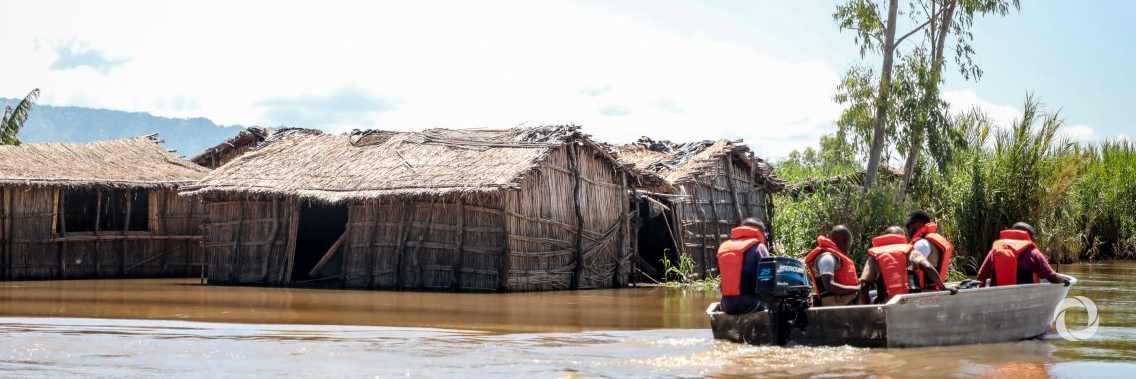
As the Malawi Floods Emergency responses enters its second-phase running from April to June, the UK Department for International Development (DFID) has provided an additional £1.6m million (USD 2.06 million) to UNICEF, the World Food Programme (WFP), Concern Worldwide and GOAL to support recovery efforts of families displaced by floods in the southern region.
This includes provision of cash transfers so that communities can withstand future shocks, nutrition support, seeds for the winter crop, prevention of post-harvest losses for smallholder farmers, rehabilitation of boreholes and continued support to mobile clinics.
“It’s crucial that we turn our attention now to early recovery, helping those affected by the floods to rebuild shattered livelihoods and homes. The UK’s package of cash transfers, seeds, health services and resilient infrastructure will help Malawians recover from some of their losses, improve their food security and nutrition, and re-build essential infrastructure such as water boreholes,” said David Beer, Head of the Department for International Development (DFID) in Malawi.
The latest UK aid funding will enable UNICEF, WFP, and the NGOs Concern Worldwide and GOAL to help flood victims achieve food security and rebuild their livelihoods.
“With this additional funding, WFP will provide multi-sector support to help people most affected by floods to quickly recover,” said WFP Malawi Representative Benoit Thiry. “For instance, WFP will also support affected smallholder farmers with post-harvest food management techniques so that they do not further lose the little they have harvested.”
In March, DFID provided £3.4 million to WFP and UNICEF to distribute food and provide health, shelter and water and sanitation services to the most-affected families living in camps. This funding has enabled UNICEF to provide safe water to over 61,317 people and latrines to 53,391 people in camps. With funding from DFID and other donors, WFP has provided food and cash assistance to 414,000 displaced people in the first cycle of the response (March/April).
The March 2019 floods affected about 800,000 people in 15 districts, displacing about 90,000 families. Two months on, the Government has conducted a Post Disaster Needs Assessment in the areas impacted by the floods to determine recovery and reconstruction needs.
Original source: WFP
Published on 20 May 2019