
Add us as your preferred source on Google to see more of our content in Search.
 Add to Preferred Sources
Experts and global actors from Africa, Asia and South America gathered in Manila to address child labour and poor working conditions in artisanal and small-scale gold mines (ASGM).
Governments, employers’ and workers’ organizations, international non-government organizations, civil society organizations, miners’ groups and their communities, and ASGM supply chain actors joined the forum.
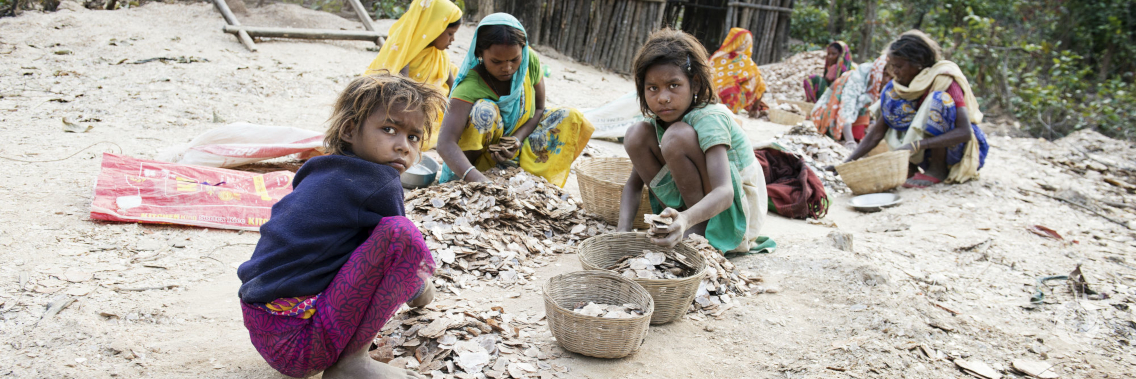
“Jobs in artisanal and small-scale gold mines are often linked to poor working conditions, with limited rights and access to social protection, without a voice and freedom to join unions. Miners risk their safety and health even without stable income to lift their families out of poverty. Of great concern are children working in these mines, which is one of the worst forms of child labour,” said Khalid Hassan, Director of the ILO Country Office for the Philippines.
ILO estimates in 2011 revealed that 19,000 children work in 45 artisanal and small-scale gold mines in the Philippines. Children can be found inside mining tunnels or on surface collecting gold and hauling sacks of ore or smelting gold.
The sector is associated with many labour issues such as hazardous working conditions that have led to work-related injuries, diseases and deaths. Child labour is also present in different mining stages. Evidence from various ILO surveys and research studies show that mining is by far the most hazardous sector for children with respect to fatal injuries.
Although there are various global organizations working on ASGM issues, concerns on child labour and other labour-related issues could be better coordinated, especially at the local level. Knowledge and action to eradicate child labour also need to be expanded in line with relevant international labour standards.
Original source: ILO
Published on 29 May 2019