
Three ways the Global Green Growth Institute is supporting the Government of Rwanda to reduce air pollution
Add us as your preferred source on Google to see more of our content in Search.
 Add to Preferred Sources
Ambient air pollution has risen sharply in recent years, especially in urban centers. Increasing rates of congestion combined with rising levels of personal vehicle ownership and limited public transport infrastructure have resulted in cities in sub-Saharan Africa exhibiting some of the highest levels of PM2.5 particulate matter in the world.
The Government of Rwanda has taken several preventative measures to reduce the amount of air pollution by commissioning a study to determine the major sources of air pollution in Rwanda. The Inventory of Air Pollution (REMA 2018) highlighted two primary sources of air pollution: 1) burning of biomass and traditional cooking methods in rural and peri-urban areas and 2) vehicular traffic in urban centers.
Green & Public Space
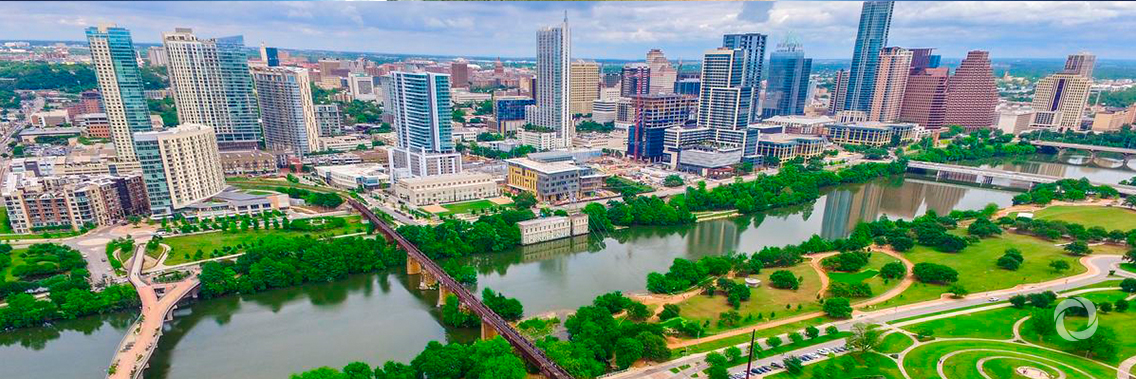
With the rapid urbanization of Rwanda’s secondary cities, green and public space has been prioritized to ensure inclusive access to freely accessible urban public space. Increasing accessibility to green spaces and urban tree cover has proven to be an effective means of absorbing harmful pollutants and fine particulate matter and improving ambient air quality in urban areas.
Green Buildings
GGGI supported the Rwanda Housing Authority (RHA) to develop the Rwanda Green Building Minimum Compliance System that also addresses Indoor Environmental Quality (IEQ) in large-scale commercial and public buildings. A total of 29 green building indicators are included in the standards that place a limitation on low-impact refrigerants, encourage greenery protection, avoid the usage of paints and adhesives with high Volatile Organic Compounds (VOCs) that are harmful to indoor air quality.
E-mobility & Non-Motorized Transport (NMT)
GGGI has supported a range of initiatives across the transport sector to emphasize green cities components of access to sustainable services through an emphasis on walking and cycling and recently in the area of e-mobility.
This year’s theme for World Environment Day on June 5th is “Air Pollution”. The three projects described here demonstrate a range of interventions across different sectors that address the root causes of the problem. The projects contribute towards GGGI’s activities under the green cities thematic area, which seeks to ensure sustainable livelihoods through providing green jobs, reducing GHG emissions, and increasing access to sustainable infrastructure and services.
Original source: GGGI
Published on 31 May 2019