
Add us as your preferred source on Google to see more of our content in Search.
 Add to Preferred Sources
The Africa Solidarity Trust Fund (ASTF), a powerful demonstration of solidarity among African countries to improve agriculture and food security, needs to forge broader partnerships and explore innovative financing mechanisms to tackle the challenges facing the continent.
This was FAO’s message at the opening of a ASTF Round Table of Contributors in Malabo that has brought together heads of states and government, ministers and other representatives of the development community to recapitalize the Fund and launch a more ambitious second phase.
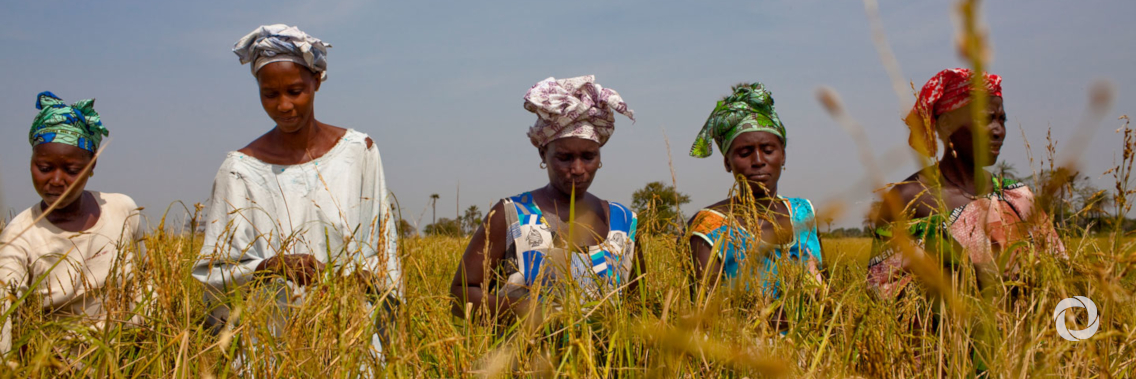
FAO established the Africa Solidarity Trust Fund (ASTF), a unique model of flexible pooled funding initiated and led by Africa, for Africa, to support African development initiatives and programs. Since its launch in 2013, the ASTF has benefited hundreds of thousands of family farmers, women and youth in 41 African countries by supporting a wide variety of projects that helped boost rural employment opportunities, increase agricultural production, generate new income streams and build resilience.
“Today we must build on the momentum and key lessons learned during these last years. Hunger and malnutrition are still major challenges in Africa and can only be addressed through broadened commitment,” said Maria Helena Semedo, FAO Deputy Director-General told the Round Table. “For this reason, the ASTF is forging new partnerships, particularly with development partners, banks and the private sector. To fully achieve the dream of the ASTF, we need a critical mass of contributors,” she added.
Over the past five years, projects funded by the ASTF, which has also benefited from a contribution of $10 million from Angola, have demonstrated the vital role of Africa-led responses to address urgent priorities and build the capacity of the most vulnerable across the continent. Such initiatives have also strengthened capacity and fostered intra-Africa collaboration in food and agriculture.
“No country can successfully deal with hunger and malnutrition alone. Building on the commitment, ownership, and cooperation that African countries have shown during the first phase, we look forward to the contribution of African countries and from “Friends of Africa” for this second phase,” said Abebe Haile-Gabriel, the FAO Assistant Director-General and Regional Representative for Africa.
Original source: FAO
Published on 11 June 2019