
Add us as your preferred source on Google to see more of our content in Search.
 Add to Preferred Sources
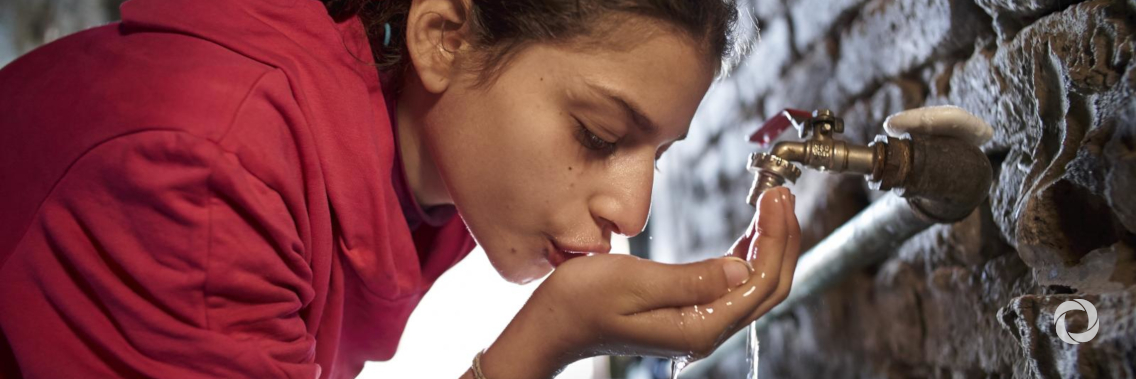
More than 2.8 million people, including Venezuelan children, adolescents and families, will gain improved access to safe drinking water after a collaboration agreement signed this week between UNICEF and the Government of Venezuela.
As part of the agreement with the Ministry of Water, UNICEF will work on expanding the supply of safe drinking water through systems repair and extension, water-trucking and other alternative sources, strengthening of priority sanitation systems, and providing technical assistance and cooperation in water quality monitoring.
“Water is fundamental to families’ life and dignity. This agreement will help children and adolescents access safe water, which is critical to their survival and healthy development,” said María Cristina Perceval, UNICEF Regional Director for Latin America and the Caribbean. “The rehabilitation of water infrastructure will have an immediate impact on the lives of families and will ensure the sustainability of their well-being in the long run,” added the Regional Director.
UNICEF’s work will help in the rehabilitation of ground and surface water sources, the repair of water supply systems, the distribution of water for strategic points such as hospitals, the rehabilitation of pumping stations and the chlorination of water distributed through water-trucking. As part of this joint initiative with national and local authorities, UNICEF will also provide support to improve water quality, conduct training and disseminate information for adequate hygiene practices, water treatment and storage at the household level.
The joint work will prioritize the most vulnerable states and may be expanded to other areas at a later stage, depending on the needs. In these places, the rehabilitation of 60 systems and the expansion of water distribution systems, as well as the support for the repair and improvement of sanitation systems will directly benefit more than 2.8 million people.
Original source: UNICEF
Published on 05 July 2019