
Add us as your preferred source on Google to see more of our content in Search.
 Add to Preferred Sources
On a broad stretch of the River Nile in the heart of downtown Cairo, hundreds of young people work their way along the water’s edge, hauling out handfuls of plastic waste from floating islands of trash that have accumulated in the still waters beside the bank.
About 50 refugee volunteers from Syria, Sudan, Ethiopia, Somalia and Yemen joined 800 local Egyptians to help clean up this busy stretch of the Nile. Egypt is currently hosting to 247,499 registered refugees and asylum seekers, with more than half having fled Syria’s eight-year conflict.
The clean-up effort was organized by VeryNile, an Egyptian initiative that aims to promote environmental awareness and reduce plastic pollution in the river through trash collections and other eco-friendly activities.
Dubbed Egypt’s lifeline, the blue contours of the Nile cut through the country’s desert landscape from south to north, sustaining swathes of fertile green land along its banks. It is the country’s main source of fresh water, providing over 90 percent of its needs.
But population growth and increased economic dependency on the river in the 11 countries that make up the Nile Basin are straining its resources. Alongside climate change, pollution poses a serious threat to the river’s ecosystem.
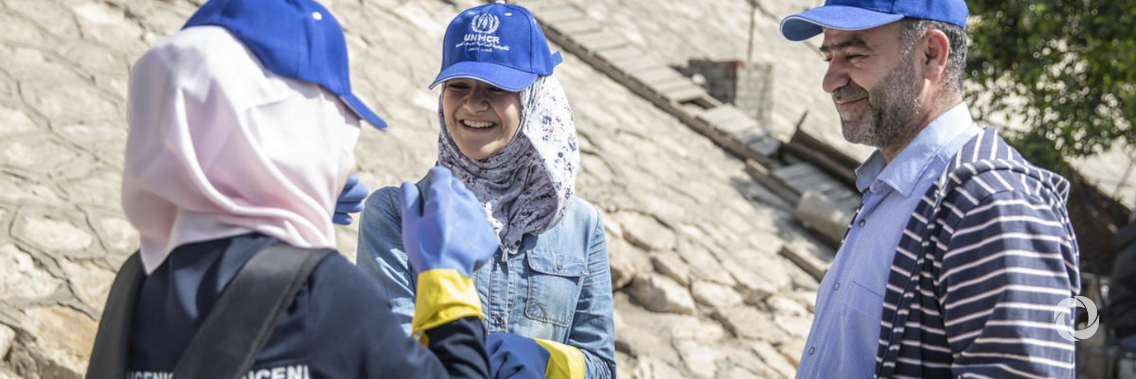
UNHCR, the UN Refugee Agency, supported the clean-up efforts by providing equipment and mobilising volunteers from across the different refugee communities in Egypt.
By the end of the day the volunteers had removed 11.5 tonnes of trash from the Nile, which was collected in huge piles before being transported to a recycling hub in Cairo. Beyond the benefits to the environment, the event helped build understanding and new friendships between refugees and members of their host communities.
Working with the Government of Egypt, UN agencies and NGO partners, UNHCR helps refugees and asylum-seekers in the country to access vital services including healthcare, education and vocational training. The agency also promotes social cohesion between refugees and the host community in cooperation with local institutions.
Original source: UNHCR
Published on 11 July 2019