
Add us as your preferred source on Google to see more of our content in Search.
 Add to Preferred Sources
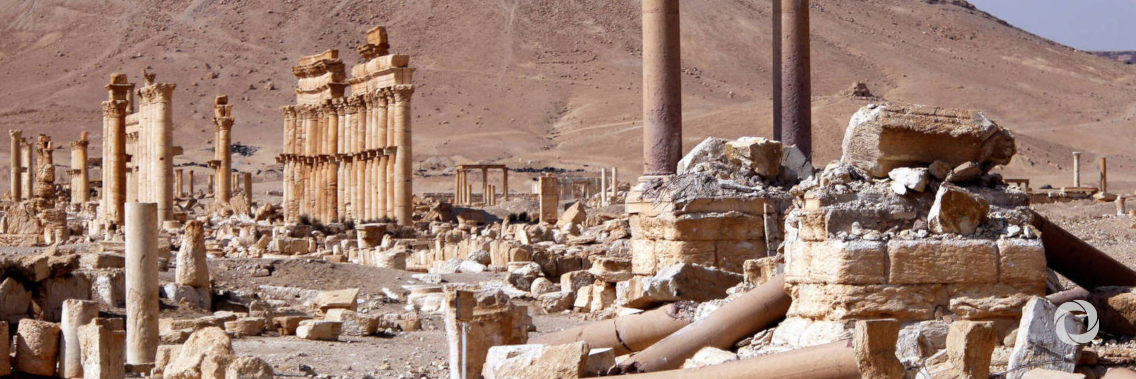
Commonwealth countries have been encouraged to ratify and implement the 1954 Hague Convention, which protects cultural heritage in the event of armed conflict.
Of 53 Commonwealth member countries, 20 have ratified the Convention, which commits countries to take measures to safeguard immovable and movable cultural property – such as buildings, monuments, artefacts and artwork – when conflict strikes.
High commissioners, historians and academics tackled the issue at an event co-hosted by the Commonwealth and the British Red Cross to mark the World Day for International Justice. They also discussed strategies and tools to address illicit trafficking in cultural property and the impacts of natural disasters.
Opening the discussions, Deputy Secretary-General Dr. Arjoon Suddhoo said: “The Commonwealth is ready to help all of its member countries in fully implementing The 1954 Hague Convention and its protocols at the national level.
“Implementing international humanitarian law is about prevention and preparedness, including when dealing with cultural heritage.”
Speakers stressed that protecting cultural heritage safeguards memory, a sense of place and shared history for a community. Therefore, they recommended member countries to ratify legal instruments, rely on international expertise, engage in peer-to-peer learning and participate in regional gatherings.
During the event, delegates built a better understanding of the challenges and opportunities involved in the protection of cultural heritage. They also learned about tools and support made available by international agencies, including the United Nations Educational, Scientific and Cultural Organization (UNESCO), Blue Shield, International Committee of the Red Cross (ICRC) and United Nations Office for Drugs and Crime (UNODC).
Original source: The Commonwealth
Published on 17 July 2019